- Date
- 2022-12-16, Friday
- Distance
- 0 km biked (3566.43 km in total)


It felt almost ironic that my very first ride on the shinkansen wasn’t to chase a romantic glimpse of Mount Fuji, but rather to double back to Hiroshima — to stand at the very heart of the atomic blast. A heavy destination for a maiden ride, but maybe that’s what life is: sweet and bitter, light and shadow, always side by side.
The shinkansen felt luxurious than any train I had taken: Every seat had its own charging port, the aisles were wide enough to stroll comfortably, and barrier-free facilities were everywhere. In just about two hours, we covered over 200 kilometers while wrapping in warmth, gazing out the window as the scenery blurred into arcs of motion. It was astonishing how technology could fold time and space so neatly. Before my thoughts caught up, we had already arrived.
From the station, we hopped onto a charming retro streetcar that rattled toward the Peace Memorial Park, which is more than just a museum — it’s an entire landscape of remembrance. Even on a weekday morning, the site was full of school groups on field trips, their teachers leading them through the grounds with quiet solemnity. I counted six tour buses within a single morning. For Japanese children, this place is a mandatory part of their education, a classroom of history under the open sky.
The park itself was once the vibrant heart of Hiroshima, filled with shops, schools, and homes before 6 August 1945, when a single atomic bomb flattened it all in an instant. Three days later Nagasaki suffered the same fate, and within a week Japan surrendered. Today, the park stretches across the once flattened ruins, with its wide green avenues deliberately designed by the architect Kenzo Tange (1913 – 2005) — then still early in his career — to symbolise rebirth and peace.
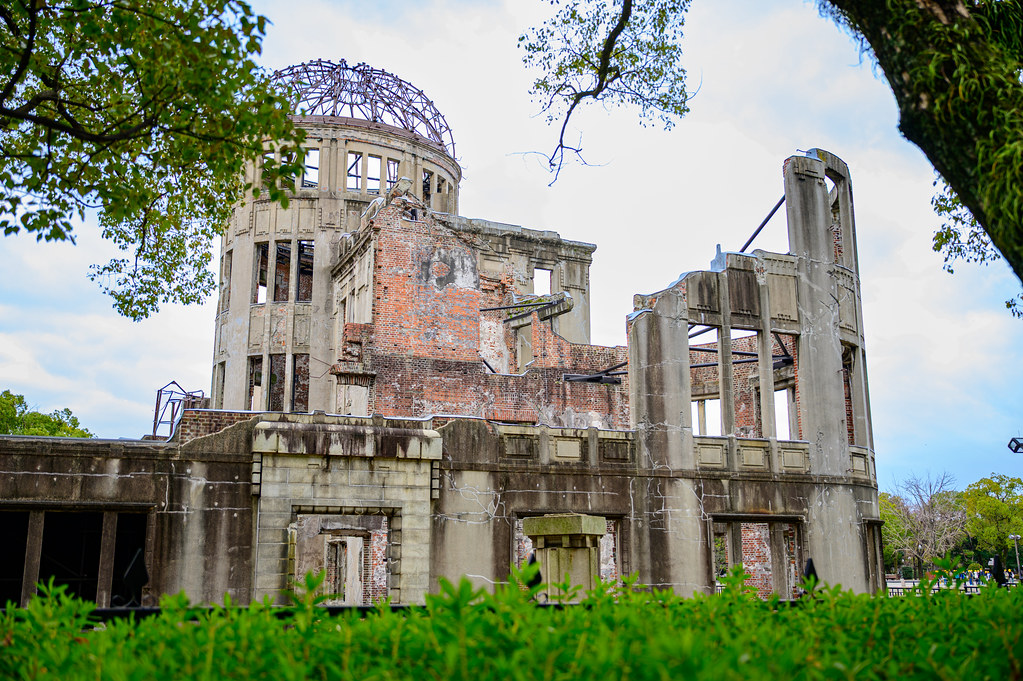
The park is laid out on the exact hypocentre of the bombing. Our walk began with the A-Bomb Dome, the skeletal ruin of the former Industrial Promotion Hall, preserved just as it was left after the blast. Everything around it had been flattened, yet by a quirk of its structure, the Dome remained standing, now a UNESCO World Heritage site and the starkest visual reminder of that morning in the summer of 1945. To see it in person, still scarred yet unbowed after all these decades, was chilling.


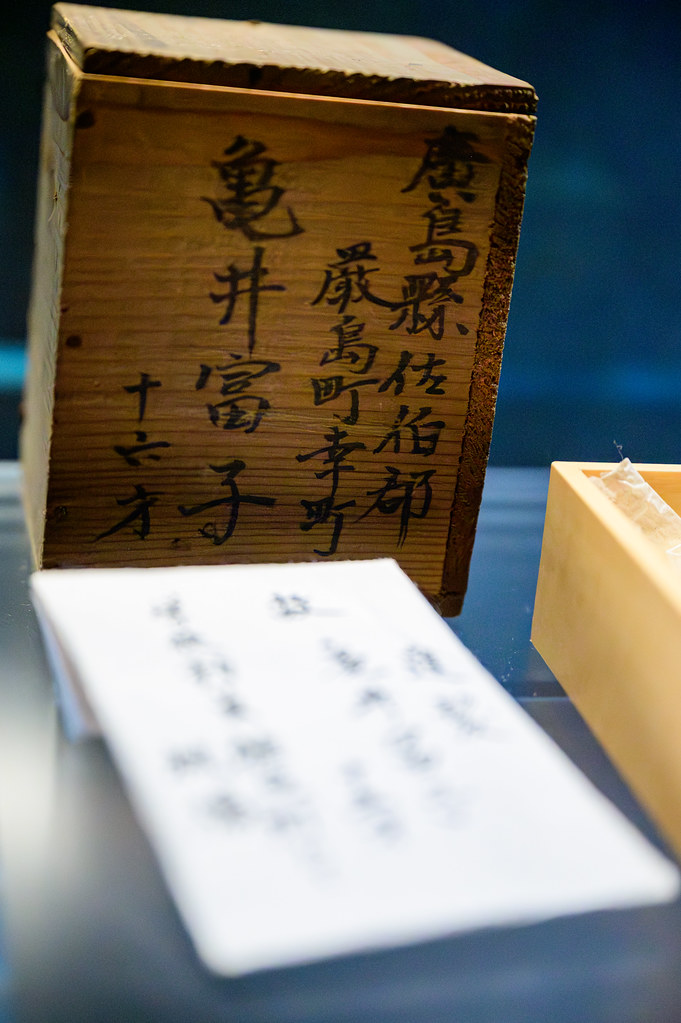


Crossing the bridge into the park, we followed the Line of Peace, the central axis designed by Tange that aligns the Dome, cenotaph, and museum in one sightline. This design was meant to be more than urban planning; it was a kind of ritual guiding each visitor on a symbolic journey. Step by step, our gaze follows a line through destruction, remembrance, and reflection, so that even the act of walking becomes part of the memorial experience.
The first major landmark we encountered was the Flame of Peace, lit in 1964. Its pedestal is shaped like two outstretched hands, palms joined at the wrist, sheltering a fire that will burn until the last nuclear weapon on Earth is abolished. It was both defiant and fragile, an eternal gesture of hope.
Further along stood the cenotaph, an arched stone monument, also designed by Tange, that shelters the registry of victims’ names. Its inscription reads: “Let all the souls here rest in peace, for we shall not repeat the evil.” Through its arch, the A-Bomb Dome is perfectly framed in the distance, so that when one looks through the arch, one sees memory, promise, and ruin aligned on a single sightline.
Behind the cenotaph rose the Peace Memorial Museum, on the other side of which stood the Prayer Fountain. It's a haunting tribute to those who died crying out for water in the burning ruins of the city. Standing by its edge, listening to the trickling water, I could almost hear that silence punctured by desperate voices. In front of the fountain is the Mother and Child in the Storm monument, a bronze sculpture of a mother cradling her child against invisible winds, created by Kato Kaiji, who lost his own daughter in the bombing. Grief here was intimate and personal, carved into bronze for all to see.



Further away, children’s voices floated through the air around the Children’s Peace Monument. This tall, slender bomb-shaped structure is crowned with a bronze girl lifting a paper crane skyward, modeled after Sadako Sasaki, a young girl who survived the initial blast but developed leukemia years later from radiation exposure. While hospitalised, Sadako began folding one thousand paper cranes, inspired by the Japanese folklore that doing so would grant a wish. She never finished before dying at just 12 of age. Her classmates continued the act, and today, paper cranes — in every colour imaginable — are sent from around the world, decorating the monument in a never-ending cascade of folded wings. Standing there among origami cranes and the memory of Sadako’s hope for a world without nuclear weapons, I felt the park’s mission most clearly: not just to remember loss, but to nurture a future without it.
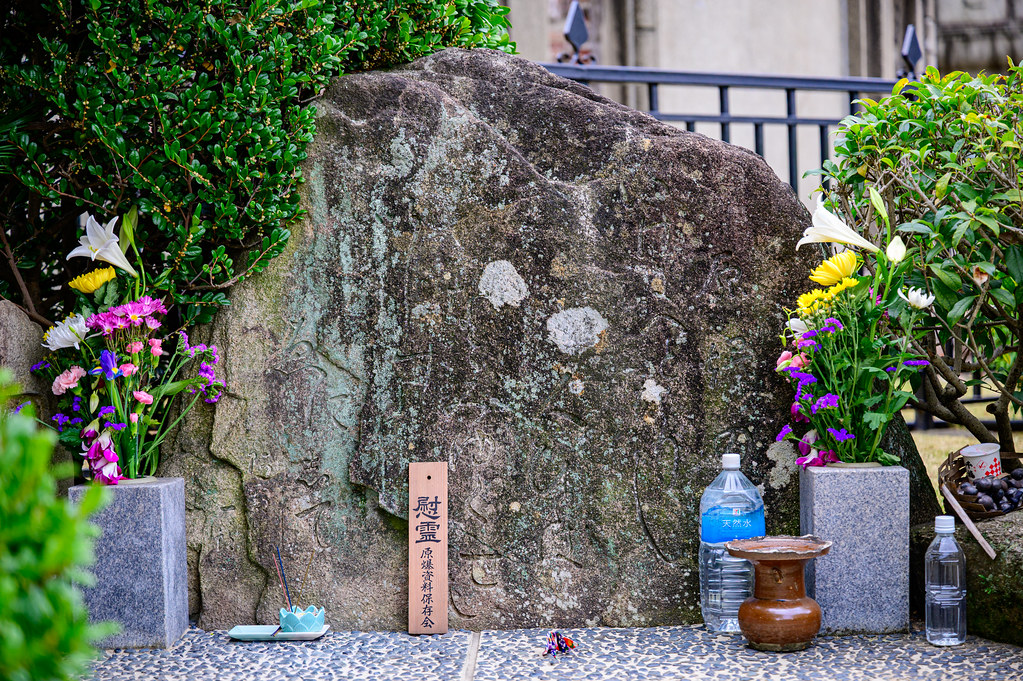
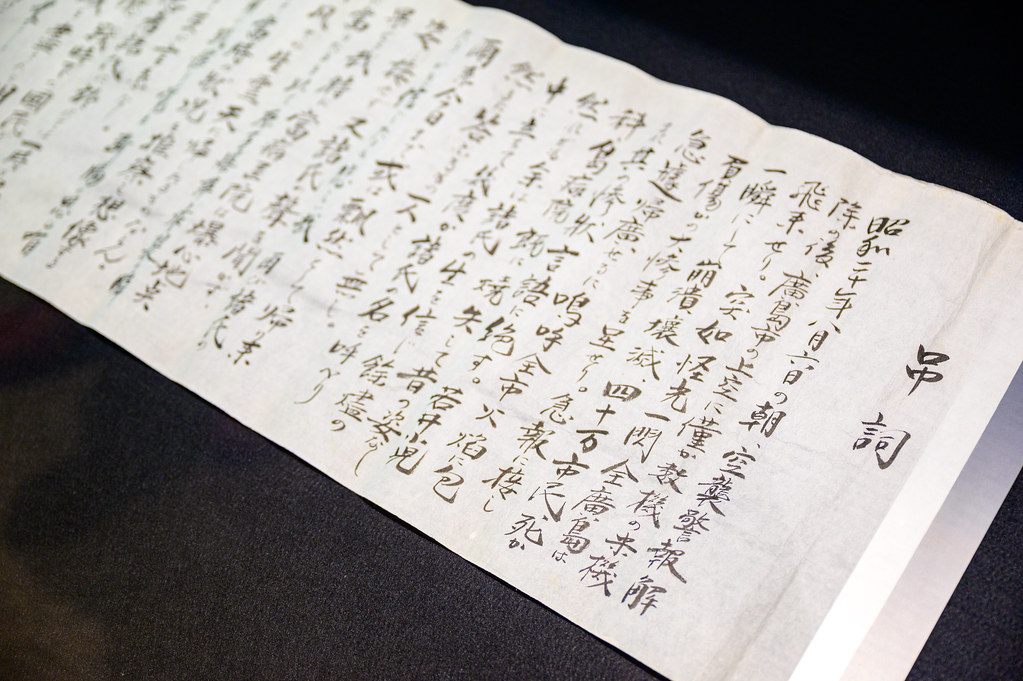
After this quiet walk among the memorials, we entered the Peace Memorial Museum. It was the quietest museum I’ve ever visited. The silence inside was absolute, as though the exhibits themselves absorbed sound. Visitors moved slowly, speaking in whispers if at all. The displays were devastating: melted remnants of daily life, charred clothing, children’s tricycle, shadows burned into stone, and photographs of those who vanished in an instant. Many artifacts had been donated by survivors or widows. The museum presented the horror of the bombing entirely through the eyes of the victims, while the broader context of the war remained muted. Despite this incomplete story, the truth of suffering was laid bare, so was the indiscriminate cruelty of the war: tragedy beyond nationality or status, which further strengthened my conviction that war does nothing good to civilians of any side.
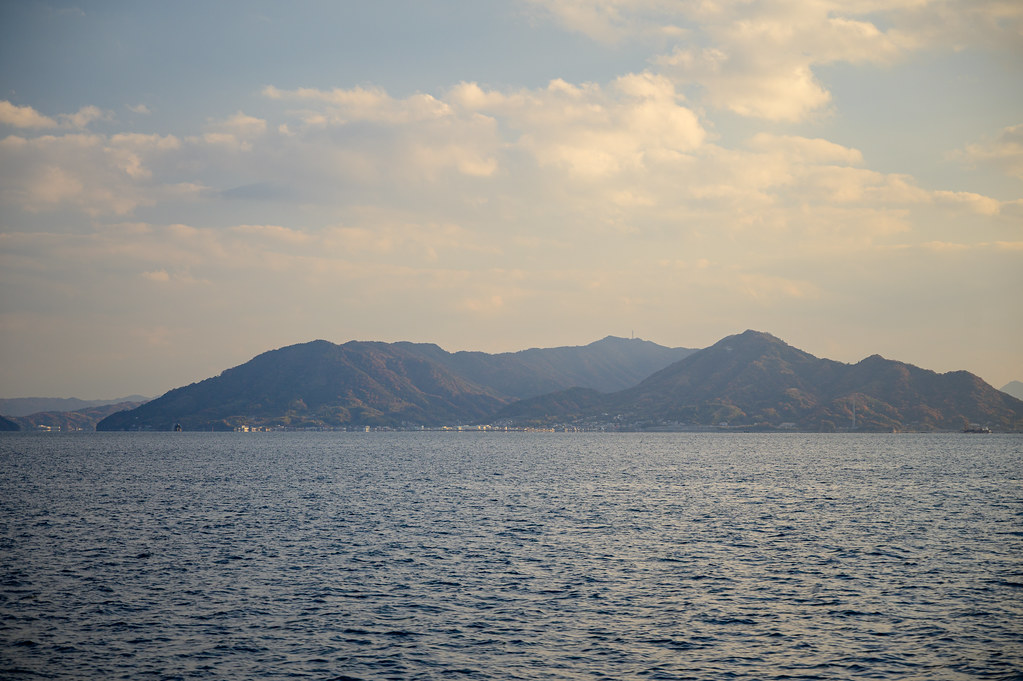
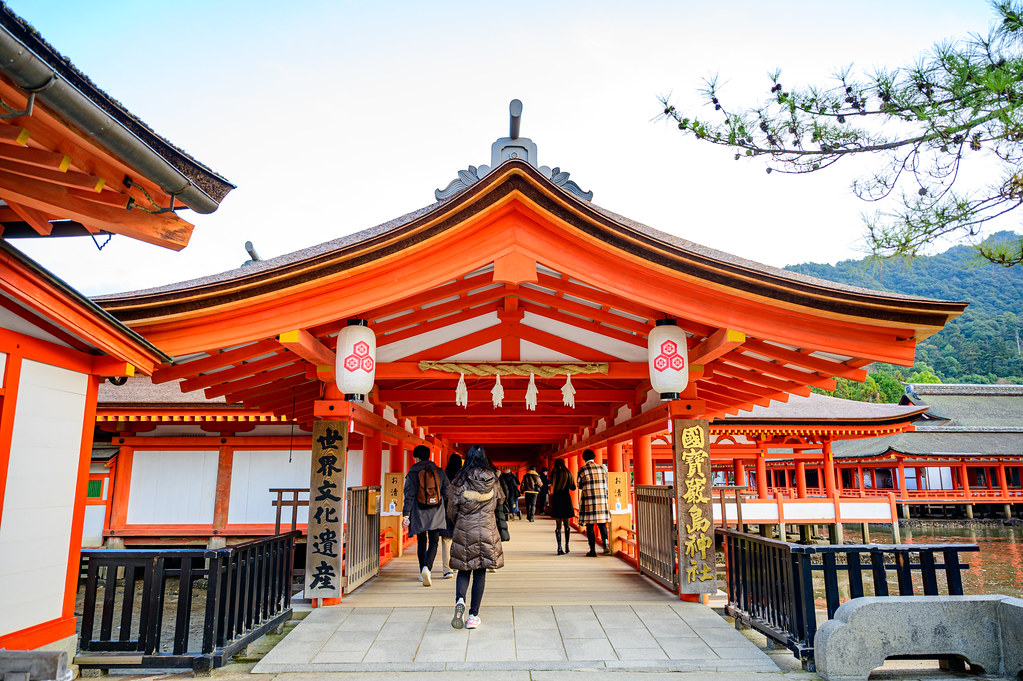
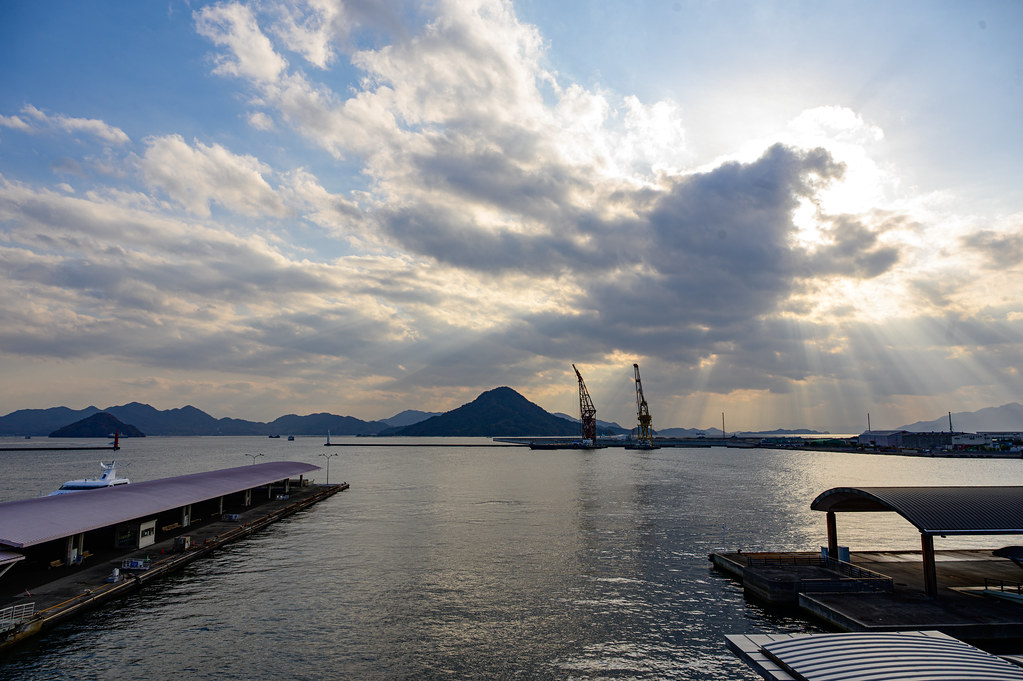
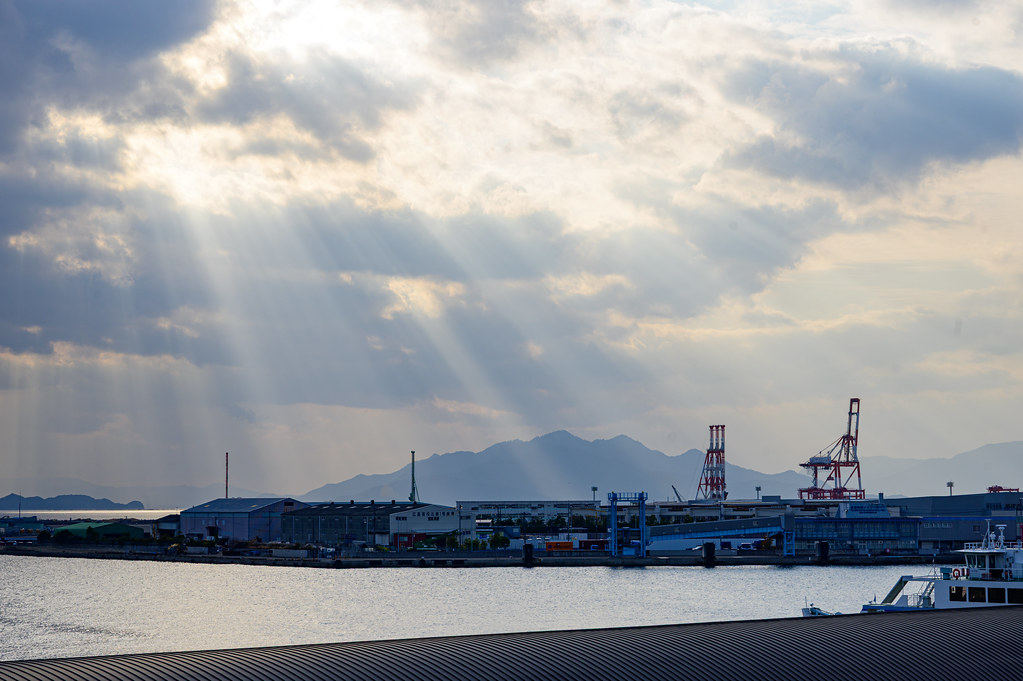
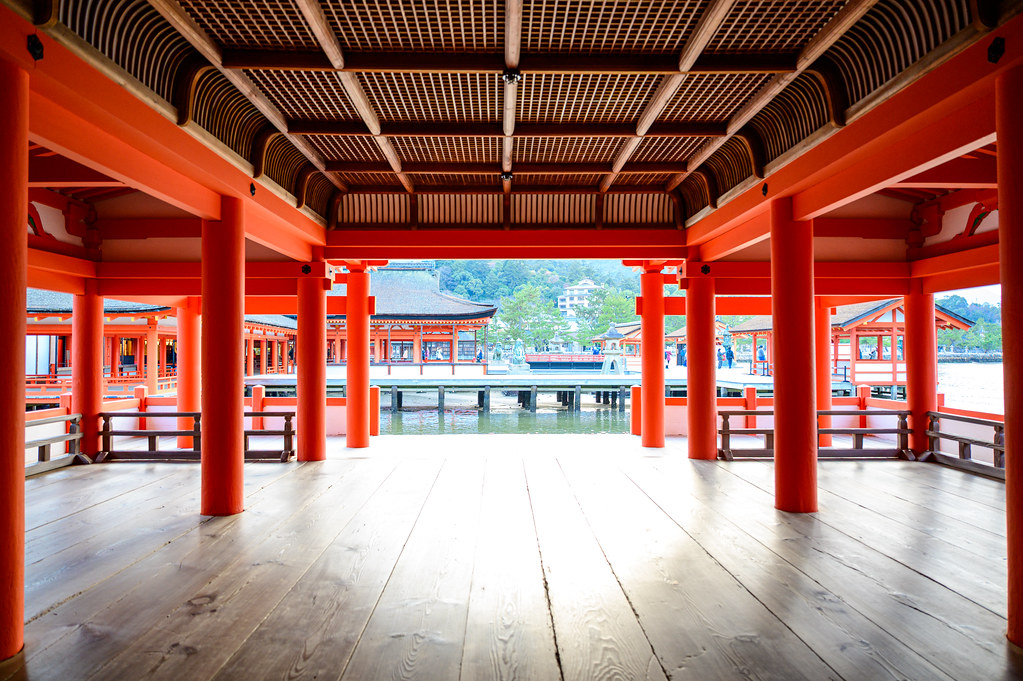
In the afternoon, we boarded a ferry to Miyajima (Itsukushima), home to the famous floating torii gate of Itsukushima Shrine. By 4 pm we had arrived, and the timing was perfect. Southern Japan’s winter sunsets come later than in the northeast, so we still had a lingering glow. Standing on the shore, watching the great vermilion gate rise from the tide, I felt its power. Clouds, unfortunately, smothered the sunset, but as the crowd thinned, we stayed to capture the torii shimmering in the blue hours against the water.
Miyajima is tourist-heavy, but life flows on here too. We saw students disembarking from the ferry after school, mingling with deer that roamed the island freely. Unlike their aggressive Nara cousins, Miyajima’s deers were gentler, though still mischievous enough to sneak snacks — one nearly nibbled a plastic bag out of my friend's hand.
By the night fall we were back in Kitakyushu, folding clean laundry, charging batteries, and packing panniers. Tomorrow, the bikes would roll south again — toward new roads, new climbs, and new discoveries — but Hiroshima’s weight and its fragile hope lingered long after we left.
The full take — 112 more photographs from this day














Leave a Reply