LINDA’S ARTWORLD

A collection of Linda’s artworks, designs, humanitarian projects and publications where light, space, and mathematical precision intersect.

Author: Linda

  • Day 56: Shirasuka to Nagoya

    Date
    2022-12-06, Tuesday
    Distance
    97.86 km biked (3236.46 km in total)

    Shiomizaka Roadside Station is technically located on a national highway where bikes are not allowed, but thankfully there are agricultural pathways that provide alternate access. Soon after our arrival, we were able to find a rain shelter to claim as our base.

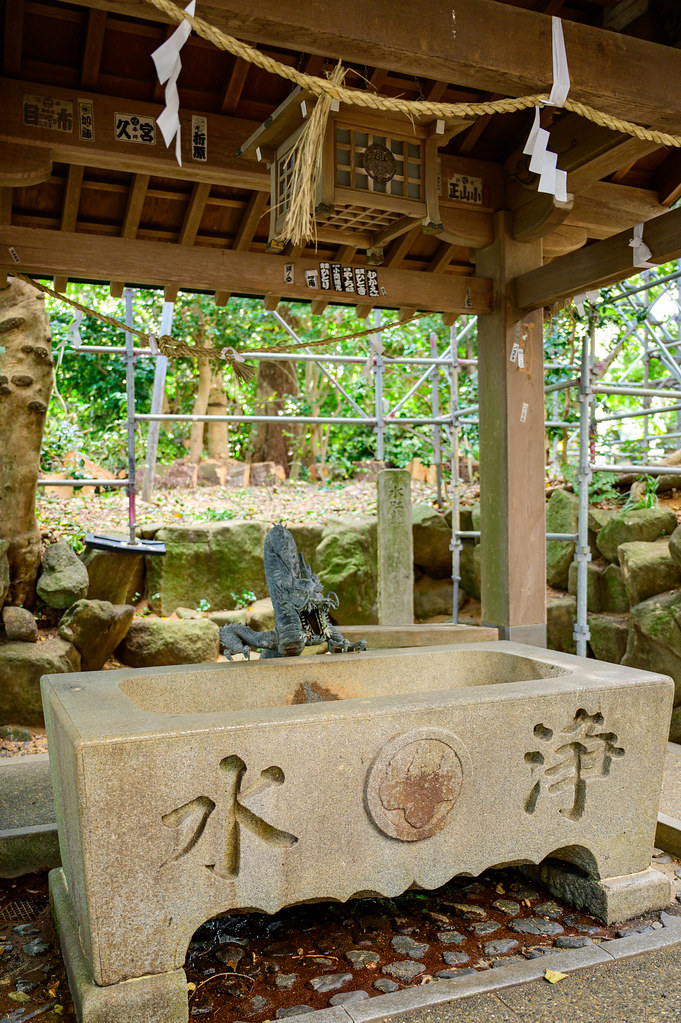
    Takeshima Island wasn’t far from there. We rode along the coastline, and soon a little island connected to the mainland by a graceful white arched bridge came into view. The spot was popular — a stream of people crossed the bridge from the seaside park to visit the shrine. What makes this place extra interesting is the deity enshrined here: Benzaiten, goddess of fortune, music, and wisdom.

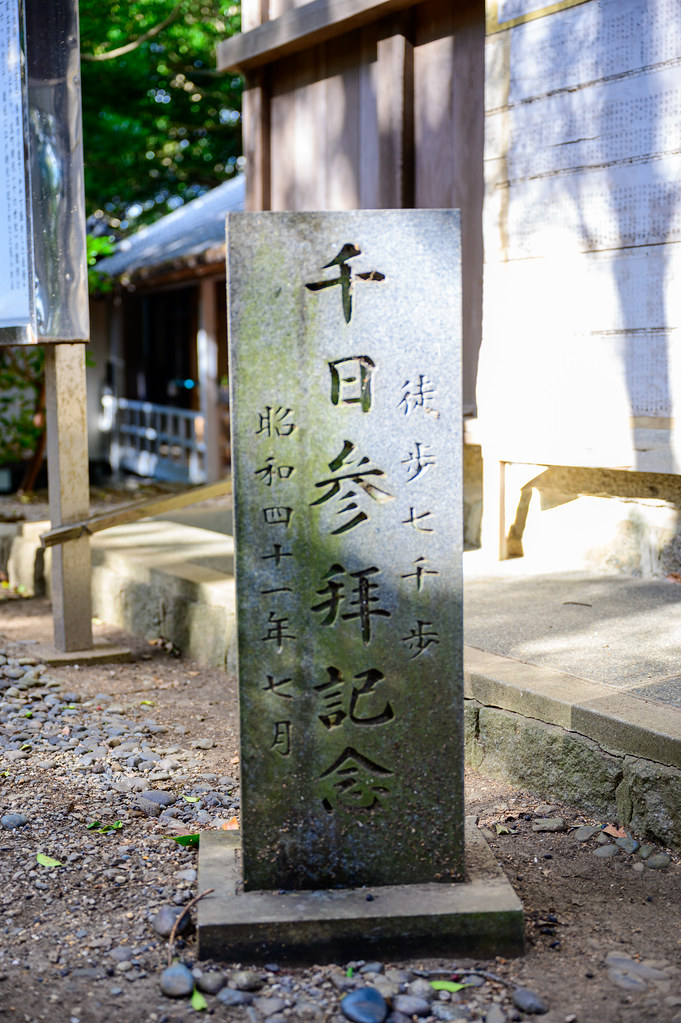
    The trail leading up to the shrine was lined with stone markers engraved with donors’ names and their contributions: 100 yen for a small stone, 1,000 yen for a medium one, and even a whopping one million yen for a massive one! It was like watching wealth stacked up along the path from the foot of the hill to the very top. Truly, Benzaiten’s shrine was built on literal mountains of fortune.

    By evening, we rolled into Nagoya and met up with our Warm Showers hosts: Tappei and his wife. Both of them have been avid cyclists since their university days, where their shared passion for biking first brought them together. Their little yet cozy dwelling was a haven for cycle enthusiasts, with several bikes of different kinds neatly mounted on the wall and tucked into corners. Tappei, who had touring experience in the United States, resonated with my stories of spontaneous encounters on the road. When I asked if local strangers had approached him during his travels in the West, he smiled and said, 'All the time.' Our hosts were incredibly kind and generous — offering their space and time without expecting anything in return. A beautiful reminder of the cycling community’s spirit of trust and openness.

    At night, I met up with Juri, a Japanese conversation buddy whom I had connected with through my university language course and who is currently living in the suburb of Nagoya. We started the night with dinner at a cozy local restaurant, where we chatted over warm dishes in a mix of English and Japanese. Juri, who studied international relations with a focus on the refugee crisis in Myanmar, shared her thoughts on the issue and her future life projects. When I mentioned that I had connected with Mina and Kosei in Tokyo, her eyes widened with envy — she too missed them! It was one of those nights where language learning met real-life connection — simple, lively, and unforgettable.

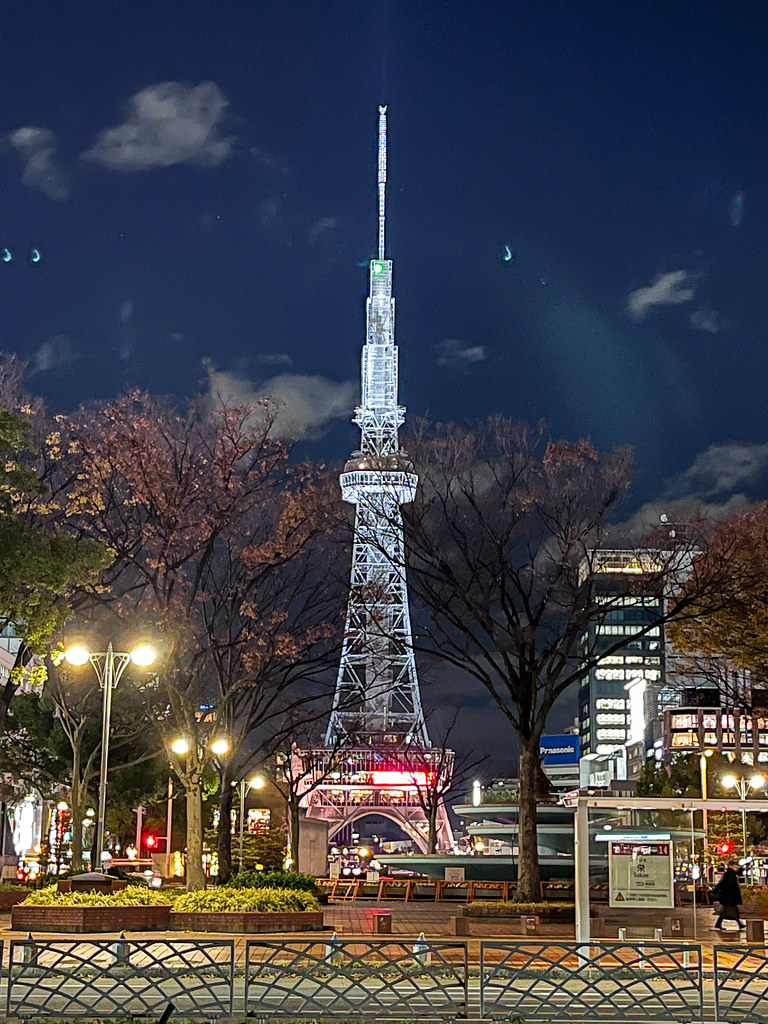
    Afterward, we wandered through downtown Nagoya, which has a vibe similar to other major cities — bustling, fast-paced, and festive with twinkling Christmas lights in the air. Before saying goodbye, we promised to meet again, whether in Japan or Canada. Around us, the city felt both exhilarating and intimate — a mix of holiday cheer, bustling storefronts, and the quiet magic of a cross-cultural friendship.

    The full take — 28 more photographs from this day
    Shirasuka to Nagoya — photograph 1 of 28 Shirasuka to Nagoya — photograph 2 of 28 Shirasuka to Nagoya — photograph 3 of 28 Shirasuka to Nagoya — photograph 4 of 28 Shirasuka to Nagoya — video 5 of 28 Shirasuka to Nagoya — video 6 of 28 Shirasuka to Nagoya — photograph 7 of 28 Shirasuka to Nagoya — photograph 8 of 28 Shirasuka to Nagoya — photograph 9 of 28 Shirasuka to Nagoya — photograph 10 of 28 Shirasuka to Nagoya — photograph 11 of 28 Shirasuka to Nagoya — photograph 12 of 28 Shirasuka to Nagoya — photograph 13 of 28 Shirasuka to Nagoya — photograph 14 of 28 Shirasuka to Nagoya — photograph 15 of 28 Shirasuka to Nagoya — photograph 16 of 28 Shirasuka to Nagoya — photograph 17 of 28 Shirasuka to Nagoya — photograph 18 of 28 Shirasuka to Nagoya — photograph 19 of 28 Shirasuka to Nagoya — photograph 20 of 28 Shirasuka to Nagoya — photograph 21 of 28 Shirasuka to Nagoya — photograph 22 of 28 Shirasuka to Nagoya — photograph 23 of 28 Shirasuka to Nagoya — photograph 24 of 28 Shirasuka to Nagoya — photograph 25 of 28 Shirasuka to Nagoya — photograph 26 of 28 Shirasuka to Nagoya — photograph 27 of 28 Shirasuka to Nagoya — photograph 28 of 28
    Ride replay on Relive
  • Day 55: Utsunoya to Shirasuka

    Date
    2022-12-05, Monday
    Distance
    97.29 km biked (3138.60 km in total)

    Today’s ride took us out of Shimada City, up into the hills and through several quiet, historical sites. One stop was the entrance to the Suwa-no-hara Castle Ruins (諏訪原城跡), an old mountaintop fortress. We didn't venture into the site, but paused briefly to read the information signboard. These hills are full of folk tales, and one that stands out is the legend of the Night-Weeping Stone (夜泣石) which recounts a rock crying at night.

    Just downhill from the ruins, we stumbled across a long-established local sweet shop called Koizumiya (小泉屋). Founded in 1751, the shop is famous for its speciality kosodate-ame (子育飴, literally 'child-raising candy'), tied to the legend of the Night-Weeping Stone, and still hand-made using traditional techniques. We couldn’t resist stopping in for a break — and were pleasantly surprised to find a pot of delicious oden waiting for hungry travellers like us.

    In the prefecture of Shizuoka which is responsible for about 40% of Japan's green tea production, hill slopes are blanketed with tea plantations as far as the eye can see. Even small plots behind individual homes are often turned into rows of tea bushes. At nearly every roadside station in this region, we would find shelves stacked with locally grown sencha, all proudly labelled with regional provenance.

    As we pedalled through town after town, one thing kept catching our attention — something that would feel remarkable elsewhere, but seems completely ordinary in Japan: young schoolchildren walking alone on the sidewalks in their little uniforms and classy randoseru backpacks. There were no adults hovering nearby — just confident little footsteps. It’s one of those quiet testaments to how safe Japan is, especially in the countryside. In many parts of the world, letting kids walk unsupervised along a busy roadside would raise eyebrows — or alarms. But here, it’s simply part of everyday life. Seeing that sense of trust and community gave us a bit of hope in a world embroiled in conflicts and troubles.

    By evening, we reached Hamamatsu City, but still had some time before the roadside station where we planned to stay would be staffless for us to pitch our tent overnight. Plus, today was a special occasion — my friend's birthday! — the perfect excuse to treat ourselves to a proper dinner. Our choice? An all-you-can-eat yakiniku celebration.

    We scouted a few options along the route, but in the end, the most convenient along our route turned out to be Gyu-Kaku (牛角), a chain restaurant also familiar to my friend from Taiwan. With 90 minutes on the clock, the two of us managed to hit our third round of orders within just 30 minutes. The pace was so intense that a second staff member had to jump in — two young servers tag-teaming our table, bringing drinks, switching out the grill plates, and racing back and forth to keep up with our carnivorous momentum. Amused and deeply satisfied, we were having a blast.

    After stuffing ourselves silly, we cycled onward to Chomiezaka Roadside Station in Shirasuka where we discovered — too late — that there was a foot onsen on-site. Sadly, it was already closed for the night. No matter. Tomorrow is another big day, with plans to visit Takeshima Island and the majestic Nagoya Castle.

    We will also be staying at a local Warm Showers host’s home in Nagoya. Who knows what stories the next stop will bring?

    Ride replay on Relive
  • Day 54: Hakone to Utsunoya

    Date
    2022-12-04, Sunday
    Distance
    103.38 km biked (3041.31 km in total)

    We were blessed with clear skies this morning — which, for me, meant only one thing: time to grab my camera for another solo sunrise shoot. While my friend continued snoozing peacefully in the tent, I hopped on my now-luggage-free bike and sped back toward the shores of Lake Ashi.

    This time, the view was nothing short of magical. Mount Fuji was finally visible in the distance: its snow-capped peak glowed softly in the golden gleam. The flamboyant Hakone Kaizoku-sen (箱根海賊船) cruise ship sat moored on the water, its elaborate silhouette framed by the shimmering lake and Fuji’s grandeur beyond. From where I stood, I could make out the vermilion torii gate of Hakone Shrine, standing quietly by the forested lakeside. As the winter sun rose higher, the great mountain gradually revealed itself — solemn and dignified.

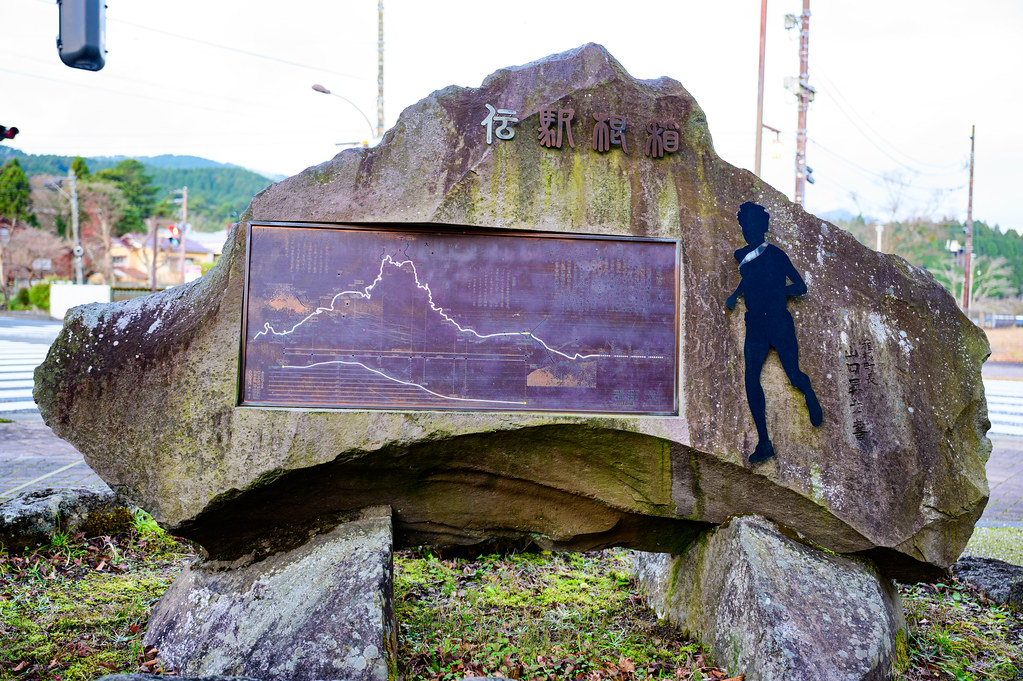
    Not far from the lakeside path lies a plaza that marks an important point for Hakone Ekiden (箱根駅伝). Every new year, this historic relay race runs between Tokyo and Hakone, and here lies the turnaround point — the end of Day 1 and start of Day 2 — commemorated by two modest stone markers. One denotes the finish line of the outbound leg; the other, the starting point of the return. It’s a quiet place, humble and unassuming, with just a weathered stone monument and a simple signboard explaining the history of the race. I had hoped to visit the Hakone Ekiden Museum (箱根駅伝ミュージアム), just a short walk away, but it hadn't opened yet. Had I not needed to be back on the road soon, I would have gladly lingered.

    Just as I was about to leave, a group of young athletes arrived by car, clad in sportswear. They were preparing for what was clearly a practice session. I struck up a conversation with them using my broken Japanese, and learned that they were from a university in Tokyo. Judging by their gear and demeanour to make the trip out here on a chilly Sunday morning to train on-site, it was obvious they were part of a serious team. One face among them looked oddly familiar; I might have seen him before in a magazine about the race. Hakone Ekiden was really drawing near. I wondered where I would be to follow the event at the new year.

    After this encounter, I climbed with my bike across the highest point of this mountain road (for the 4th time!). By now, I was feeling stronger and more confident in coping with ascents. The past few days of effort have surely helped train both my muscles and my mindset.

    Another fun fact for anime fans: Hakone serves as the prototype for Tokyo-III in Neon Genesis Evangelion (新世紀エヴァンゲリオン, 1995 – 1996). As such, not only was there an official gift shop located, some spots in town were decorated in the style of this anime classic of the 90's as well. For instance, right next to where we camped at the roadside station, a charging point was painted in the colour scheme of Evangelion Unit-01!

    Leaving Hakone behind, we were treated to a rare luxury: more than 10 kilometres of continuous downhill on a perfectly maintained seaside road. It felt like gliding. With each turn, I only had to turn my head slightly to see the majestic figure of Mount Fuji. Even as we reached the coast near Numazu, Mount Fuji’s silhouette remained visible against a backdrop of blue skies, drifting clouds, and windswept pine trees. A view like that — wide, serene, and quietly powerful — stays with us all along.

    For lunch, we made a stop at a small, family-owned restaurant for the much-anticipated kaizoku-yaki (海賊焼き, literally, 'pirate grill'), a hearty local dish my friend had heard plenty about. Afterwards, we swung by the Fuji Roadside Station, which was full of regional Shizuoka tea and Laid-Back Camp (2015 – present) merchandise. My friend joked that if they had produced themed sake or character-branded drinks, she would have been tempted to part with more yen than she should have. Perhaps it was a mercy they hadn't. Outside the convenience store nearby, we had an unexpectedly heartwarming moment: a local gifted us a few drinks and snacks, simply curious and supportive of our journey. This random act of kindness meant a lot.

    By nightfall, we rolled into Shizuoka and pitched our tent at the Utsunoya Roadside Station. The evening was unusually warm — a welcome contrast to the chill of previous nights — so my sake-loving friend opened a small bottle of umeshu, ready for a quiet toast (alone of course, because I don't drink alcohol). However, just as we stepped away from the table momentarily to wash up some cookware, we returned to find our senbei gone! Of all things, the first item we have ever had stolen (apparently) by a human being in Japan turned out to be a limited-edition thick-baked rice cracker that's supposed to be perfectly crisp, slightly sweet, and absolutely delicious. My friend was more amused than angry, standing there with a wet cup in hand and a mix of laughter and disbelief.

    The full take — 18 more photographs from this day
    Hakone to Utsunoya — photograph 1 of 18 Hakone to Utsunoya — photograph 2 of 18 Hakone to Utsunoya — photograph 3 of 18 Hakone to Utsunoya — photograph 4 of 18 Hakone to Utsunoya — photograph 5 of 18 Hakone to Utsunoya — photograph 6 of 18 Hakone to Utsunoya — photograph 7 of 18 Hakone to Utsunoya — photograph 8 of 18 Hakone to Utsunoya — photograph 9 of 18 Hakone to Utsunoya — photograph 10 of 18 Hakone to Utsunoya — photograph 11 of 18 Hakone to Utsunoya — photograph 12 of 18 Hakone to Utsunoya — photograph 13 of 18 Hakone to Utsunoya — photograph 14 of 18 Hakone to Utsunoya — photograph 15 of 18 Hakone to Utsunoya — photograph 16 of 18 Hakone to Utsunoya — photograph 17 of 18 Hakone to Utsunoya — photograph 18 of 18
    Ride replay on Relive
  • Day 53: Gora to Hakone

    Date
    2022-12-03, Saturday
    Distance
    13.40 km biked (2937.93 km in total)

    Still not recovered from yesterday's exhaustion, we were in no rush to get moving. We didn’t check out of the hotel until around noon — a remarkably late start by our usual standards. Our plan for the day was loose: spend the first half exploring the town centre, then pedal westward for as long as our legs — and spirits — would carry us. There was no milestone, no finish time set. Everything hinged on how well (or unwell) we felt after the previous day's brutal climb.

    Our pilgrimage to the Hakone Open-Air Museum was an easy ride downhill. With over 120 sculptures spreading across the grounds, the outdoor space alone was a feast for the senses. The park's layout was intuitive and well thought out: densely packed with art, yet never overwhelming. Even more inspiring was the museum’s commitment to emerging talent, regularly showcasing temporary installations by up-and-coming artists. Works by the same artist, like the powerful pieces by Henry Moore, were thoughtfully grouped together, often by form or aesthetic.

    What left the strongest impression, for me personally though, was Gabriel Loire’s Symphonic Sculpture — a hollow tower adorned with 480 stained-glass panels on its sidewall. Inside, a spiral staircase allows the visitors to climb to the top of the tower while being enveloped in a kaleidoscope of colour and light. Intricate display of geometric patterns shimmered with every step. It was the kind of glittering beauty and reflected hues as in a dreamscape — the kind of installation that makes you forget where you are entirely.

    The Picasso Pavillon was equally impressive. As its name suggests, the interior space highlights a rotating selection from the museum's Picasso collection. At the time of our visit, we got the chance to view paintings from his Cubist phase and Blue Period, together with his lesser-known ceramics and small-scale works.

    As we biked around Hakone, traces of the upcoming Hakone Ekiden (箱根駅伝) were everywhere to be seen. Even on our way biking along the uninhabited mountain road, we came across workers trimming roadside weeds and branches, preparing the course for the runners. The sense of anticipation was palpable — it felt like the entire town was readying itself for the big new year event.

    In the afternoon, we set off toward Lake Ashi. Compared to the brutal climbs from the night before, this ride felt like a breeze (though our legs were still wobbling). On the way, we ran into two older men on a cycling trip, accompanied by a driver-guide who was coordinating their customised bike tour. He spoke both English and Japanese, offered us some snacks, and chatted with us about his past guiding adventures. We exchanged contact info, and who knows — maybe he will send us some route recommendations in the future.

    We arrived at the lakeside shopping street near dusk, only to find that most food options were overpriced and underwhelming. If you ever find travelling this way, we recommend pushing a few more kilometres down the road — you will find better dining spots beyond the tourist-heavy stretch.

    Just as night fell, we caught sight of the Hakone Kaizoku-sen (箱根海賊船), an extravagant sightseeing cruise ship decked out in gold and crimson, pulling in under the night sky like something from a fantasy film. On such a pitch-dark lake, it was hard to tell whether we were meant to enjoy the lake's natural stillness or marvel at the floating spectacle.

    We camped that night at the roadside station that's just beyond the highest point of this national route, perched at an elevation of 874 metres. There was a chill in the air and fatigue still in our muscles — but there was also a sense of peace. We had climbed the mountain, wandered among great art, and made it to the water’s edge. Sometimes, that’s more than enough.

    Ride replay on Relive
  • Day 52: Fujisawa to Gora

    Date
    2022-12-02, Friday
    Distance
    65.22 km biked (2924.53 km in total)

    While my companion was still sound asleep, I rose at dawn and biked to the beach overlooking Enoshima Island to catch the first ray of the sunrise on camera. Dozens of surfers were already in the water or unloading their boards from motorcycles and bicycles parked neatly along the roadside — many equipped with custom racks to support their gear. It's too bad that clouds glung low on the horizon, obscuring the distant silhouette of Mount Fuji. After capturing a few shots, I crossed the bridge onto the island and pedalled through its sleepy lanes — past shuttered storefronts, the shrine, and a few early visitors waiting for the whole area to wake up — before returning to the hotel just as the day was beginning to stir.

    It's funny how different our sleeping rhythms are — my friend is the type of sleeper who needs a solid 8-hour of sleep, whereas I am of the type who needs little sleep and would wake up every 4 hours or so. I am doomed to wake up at midnight and / or before sunrise, not knowing what else I can do with these quiet hours besides capturing them on photos. I am sure once I show her my photos of Enoshima bathed in the golden amber of the early hour, my night owl friend will once again marvel at the beautiful scenery she had missed and wonder when I took those photos.

    After leaving Fujisawa, we followed the coastal route across the scenic Torasuko Shonan Ohashi Bridge (National Route 134), then picked up speed on the levee’s smooth cycling path. A curious detail we noticed: in rural Tohoku, Google Maps often doesn’t allow us to set an itinerary using the cycling mode. But as we rode further south toward livelier cities, the cycling mode that we had been relying on in Hokkaido miraculously returned. Come on, Google — maybe it’s time to give Tohoku some love too?

    By late afternoon, when our climb started getting serious, it became clear just how devoted the Japanese people take their onsen getaways. All kinds of motorised vehicles zoomed up the mountain like it was nothing. In contrast, we climbed this famous route like lumbering oxen, slowly hauling our bikes uphill.

    This was no ordinary road either — it's the same mountainous course that participants in the Hakone Ekiden (箱根駅伝) must tackle each New Year. One of Japan’s most celebrated long-distance university relay races, the event spans over 200 kilometres between Tokyo and Hakone, with young runners battling steep elevation changes and bitter winter winds. I first learned about this tradition through the animated series Run with the Wind (2018 – 2019), which, though idealised, brought to life the spirit of determination and camaraderie behind this gruelling event. As we creaked our way uphill, it was humbling to imagine those collegiate runners sprinting past us in icy January air.

    On some of the hairpin turns with 10–15% inclines, even the lowest gear made us feel like we were pedalling through molasses. Cars queued behind us waiting for their chance to pass, while we paused often to catch our breath. The deeper we got into the hills, the fewer lights there were — by nightfall, only the switchbacks were lit. However, when we were about to lose heart due to the seemingly endless steep hills to climb, we came upon some decorations for Hakone Eikan, standing silently beside us like unseen supporters cheering us up.

    Our hotel was located beyond Gora Station tucked even further up the hillside. Originally, we hadn’t planned on spending the night in Hakone. The problem? Ryokan stays in Hakone are infamously expensive — typically starting from ¥10,000 and soaring well into the six figures. After much scrolling and comparing, we lucked out and found a place for our budget. A deal like that? Booked instantly.

    And then we learned why. Just when we thought we had survived the day's worst climbs, we faced one final obstacle: a killer +20-degree slope leading to the hotel. Pushing the bikes up was well nigh impossible. In the end, it took both of us to drag one bike up at a time, then returning downhill for the second. That 500 metres felt harder than the entire day’s ride.

    But all was forgiven the moment we stepped inside at close to 10pm, after being received by staff who came down from a facility that's located further uphill. The hotel had its own private onsen, and though we had booked a double room, what we got was basically a full 2LDK unit — living room, dining area, kitchen, and a whole suite of home appliances: fridge, microwave, electric kettle, coffee machine, cookware, and tableware. Honestly, it was a fully furnished apartment. We could have moved in with nothing but a toothbrush.

    As we sank into the hot onsen water that night, our muscles still aching, it was hard not to feel a quiet sense of triumph. The day had been long, the climbs steep — but there, in that steamy silence, it all melted away. The roads we had taken were not easy, but perhaps that made the journey all the more memorable.

    Ride replay on Relive
  • Day 51: Shibuya and Mitaka by Train

    Date
    2022-12-01, Thursday
    Distance
    0 km biked (2859.31 km in total)

    We chose to stay in Fujisawa last evening, largely due to a scheduling misstep. During our 3-day stay in Tokyo, we had failed to secure tickets to the Ghibli Museum where reservations must now be made well in advance. We could only get a pair of tickets for the 1st of December. As a workaround, we opted to ride westward, checked into a hotel, and returned to the Tokyo area by train to visit the museum. An inefficient detour, perhaps — but well worth it in the end.

    Ghibli Museum is nested in Mitaka, a suburb of Tokyo Metropolitan area. We arrived via a charming bus adorned with familiar Ghibli characters. At the entrance, we were greeted by a giant Totoro — Ghibli's beloved mascot. Inside the gates, we were struck by the massive line-up that went all the way to the other side of the building and how many international visitors there were — likely close to half the crowd. Staff members wore navy Montbell × Ghibli collaboration jackets, embroidered with the studio’s crest. Stylish and distinctive, they were regrettably not for sale.

    Photography was not permitted inside the building, so now I can only speak from memories about our journey through winding staircases and quaint nooks of this enchanting world. Designed by Hayao Miyazaki himself, the building exterior features colourful and unorthodox structures that mirror the whimsy of Ghibli's animated works. The interior space was made into an atelier-inspired exhibit that showcases original materials such as concept arts and storyboards used in Ghibli’s productions. A re-creation of an animator’s workspace provided a glimpse into the meticulous world behind the magic.

    In the rooftop garden, a life-size sculpture of the forgotten robot soldier from Laputa: Castle in the Sky (1986) stood amidst foliage, serving as a memorable photo opportunity for Ghibli fans. Lastly, we were ushered into the intimate 80-seat Saturn Theatre, where Ghibli’s exclusive shorts are screened on rotation. That day’s film was Mr. Dough and the Egg Princess (2010).

    Overall, it’s a nicely designed museum to visit especially for animation enthusiasts. Its greatest flaw may be its scale — the physical space feels really cramped, partly due to the huge amount of visitors (I was told it’s always this crowded except during the pandemic); wandering through it made me feel rather clumsy. They really need to expand it to accommodate this many people. Its boutique, charming as it was, was equally congested, which didn't offer me a very good shopping experience. Nevertheless, I did get to purchase the full set of Ghibli short film pamphlets that were hard to come by elsewhere.

    Earlier today, before heading to Mitaka, we also visited Meiji Jingu (明治神宮), a Shinto shrine dedicated to the figurehead of the Meiji Restoration, in Shibuya.

    Located within the quiet expanse of some 100,000 trees, this Shinto shrine is an oasis amidst a frenetic city. The overcast sky lent a hushed stillness to the canopy of ancient cedars. The cool, damp air carried the faint scent of vegetation, and the gentle rustle of leaves replaced the usual sound of traffic. With the presence of so many plants that acted as a natural barrier to shun us from the bustle of the capital, the sanctuary grounds felt more solemn, more serene. At the main hall, visitors abunded, but were never too many to make the space cramped. They bowed quietly, clapped twice, and made their wishes, all in quiet devotion — sharp contrast with the burstling and always noisy Nikko Tosho-gu we had visited another day. My visiting experience was more agreeable at the quiet Meiji Jingu, which was well maintained with less vibrant paint. Its quietness leaves me to sense the simple acts of piety of the visitors and natural attractiveness of the building complex.

    Tomorrow, we venture to Hakone. When we mentioned this plan to a few locals, they responded with concerned yet knowing smiles — as if to gently warn us of the journey ahead. It seems wise to prepare ourselves mentally. Whether we arrive early or late, I have no doubt the climb will be difficult. But perhaps, like today's detour, the challenge will make the destination all the more memorable.

    The full take — 53 more photographs from this day
    Shibuya and Mitaka by Train — photograph 1 of 53 Shibuya and Mitaka by Train — photograph 2 of 53 Shibuya and Mitaka by Train — photograph 3 of 53 Shibuya and Mitaka by Train — photograph 4 of 53 Shibuya and Mitaka by Train — photograph 5 of 53 Shibuya and Mitaka by Train — photograph 6 of 53 Shibuya and Mitaka by Train — photograph 7 of 53 Shibuya and Mitaka by Train — photograph 8 of 53 Shibuya and Mitaka by Train — photograph 9 of 53 Shibuya and Mitaka by Train — photograph 10 of 53 Shibuya and Mitaka by Train — photograph 11 of 53 Shibuya and Mitaka by Train — photograph 12 of 53 Shibuya and Mitaka by Train — photograph 13 of 53 Shibuya and Mitaka by Train — photograph 14 of 53 Shibuya and Mitaka by Train — photograph 15 of 53 Shibuya and Mitaka by Train — photograph 16 of 53 Shibuya and Mitaka by Train — photograph 17 of 53 Shibuya and Mitaka by Train — photograph 18 of 53 Shibuya and Mitaka by Train — photograph 19 of 53 Shibuya and Mitaka by Train — photograph 20 of 53 Shibuya and Mitaka by Train — photograph 21 of 53 Shibuya and Mitaka by Train — photograph 22 of 53 Shibuya and Mitaka by Train — photograph 23 of 53 Shibuya and Mitaka by Train — photograph 24 of 53 Shibuya and Mitaka by Train — photograph 25 of 53 Shibuya and Mitaka by Train — photograph 26 of 53 Shibuya and Mitaka by Train — photograph 27 of 53 Shibuya and Mitaka by Train — photograph 28 of 53 Shibuya and Mitaka by Train — photograph 29 of 53 Shibuya and Mitaka by Train — photograph 30 of 53 Shibuya and Mitaka by Train — photograph 31 of 53 Shibuya and Mitaka by Train — photograph 32 of 53 Shibuya and Mitaka by Train — photograph 33 of 53 Shibuya and Mitaka by Train — photograph 34 of 53 Shibuya and Mitaka by Train — photograph 35 of 53 Shibuya and Mitaka by Train — photograph 36 of 53 Shibuya and Mitaka by Train — photograph 37 of 53 Shibuya and Mitaka by Train — photograph 38 of 53 Shibuya and Mitaka by Train — photograph 39 of 53 Shibuya and Mitaka by Train — photograph 40 of 53 Shibuya and Mitaka by Train — photograph 41 of 53 Shibuya and Mitaka by Train — photograph 42 of 53 Shibuya and Mitaka by Train — photograph 43 of 53 Shibuya and Mitaka by Train — photograph 44 of 53 Shibuya and Mitaka by Train — photograph 45 of 53 Shibuya and Mitaka by Train — photograph 46 of 53 Shibuya and Mitaka by Train — photograph 47 of 53 Shibuya and Mitaka by Train — photograph 48 of 53 Shibuya and Mitaka by Train — photograph 49 of 53 Shibuya and Mitaka by Train — photograph 50 of 53 Shibuya and Mitaka by Train — photograph 51 of 53 Shibuya and Mitaka by Train — photograph 52 of 53 Shibuya and Mitaka by Train — video 53 of 53
  • Day 50: Yokohama to Fujisawa

    Date
    2022-11-30, Wednesday
    Distance
    40.02 km biked (2859.31 km in total)

    At just past 5 a.m., we hopped on our bikes to catch the sunrise over Yokohama Port (横浜港), aiming to photograph the early light spilling across the Bay Bridge (横浜ベイブリッジ) and illuminating the iconic Red Brick Warehouse.

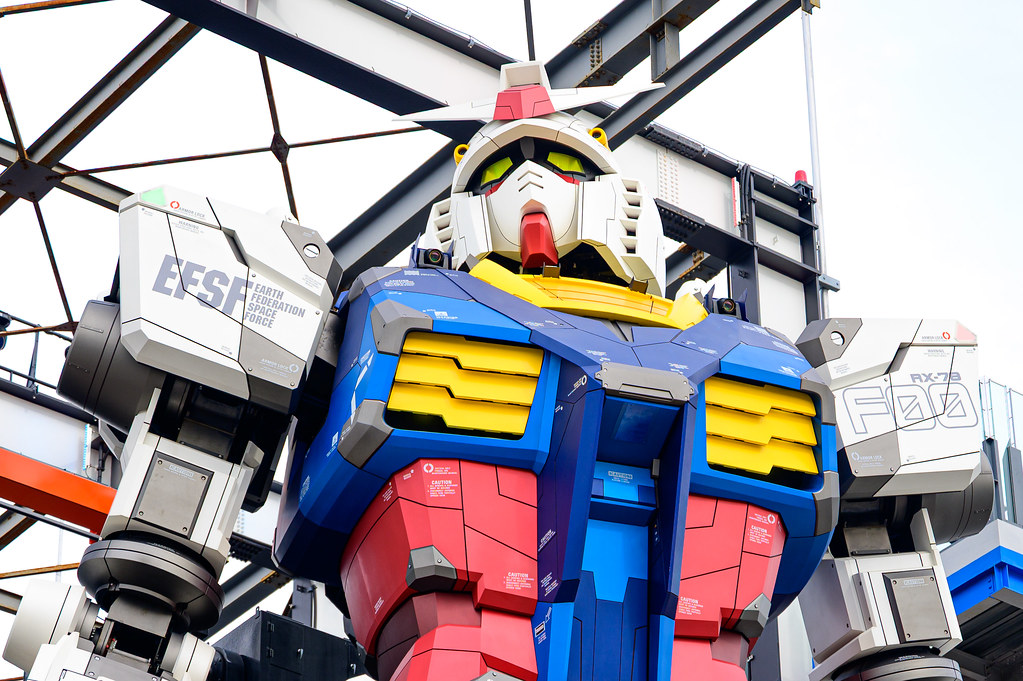
    After returning to the hotel to pack, our next mission was to pay tribute to a childhood icon: Gundam. We made our way to the Gundam Factory Yokohama, only to find a line already forming outside the gates long before opening.

    Seeing the first moving mech of its type up close was absolutely awe-inspiring. During the 12-minute showcase, fans around me filmed with the steady hands of seasoned pros. However, I must confess: while I understand the as-yet physical impossibility for anything mechanical of that dimension and that weight to move fast, I did feel a little bit crestfallen to see the slow movement the full-scale 1:1 Gundam made; it's nothing like the fluidity of the animation. Luckily, the many limited edition merchandise captured my attention, and we were given as vistitor's bonus an assembly kit of this mechanical giant hooked onto the dock.

    From Yokohama we headed toward Kamakura. After zigzagging through and getting nearly lost amidst countless tiny streets and narrow pathways hidden in between local residences, we finally got to pay a visit to the Great Buddha — or Kamakura Daibutsu. This majestic bronze statue of Amida Buddha standing over 13 metres was first cast around 1252. It originally sat inside a grand temple hall, which was destroyed by multiple tsunamis and storms, leaving the Buddha exposed to the natural elements. I have always liked visiting shrines and temples, which give me a sense of solemnity and stillness in a world in constant motion.

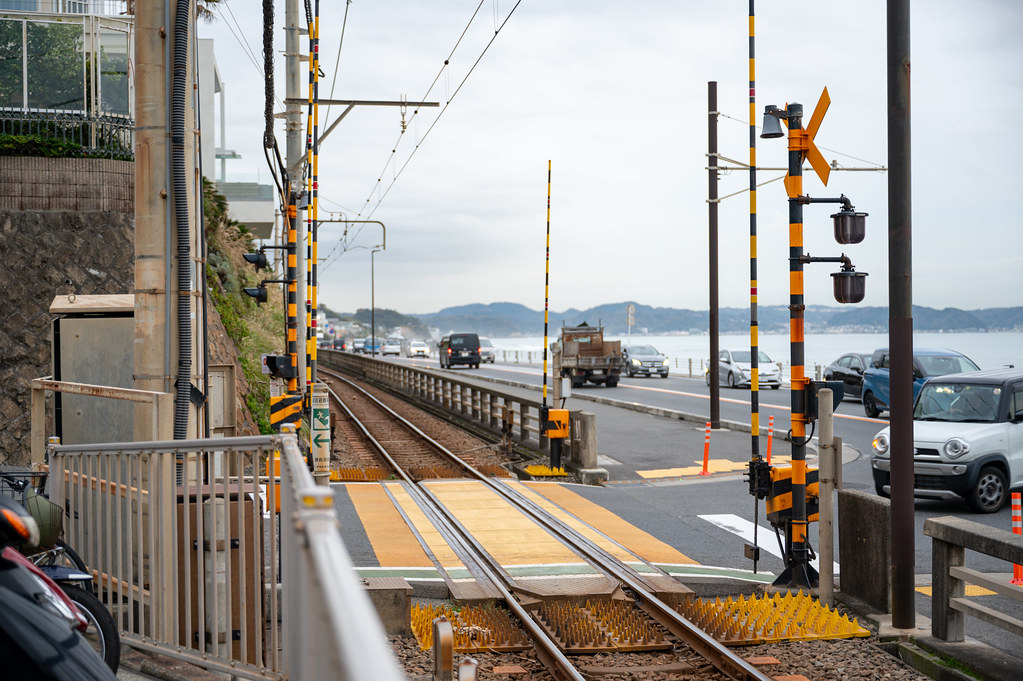
    Our final stop for the day was in Fujisawa, just north of Enoshima, where we checked into a Toyoko Inn. That evening, we wandered over to the famous railway crossing in front of Kamakura High School, the prototype of Shonan High School in Slam Dunk (1990 – 1996) — a pilgrimage spot for anime fans. This coastside location immortalised by the series' opening song in reality is an otherwise ordinary railway crossing near Kamakurakokomae Station. It’s actually on a quite busy stretch of the road, right at the junction of a pathway to the sea — fitting, since Kamakura is also a popular surf town, and surfers riding past on bikes with surfboards slung under their arms abund.

    At the crossing, tourists eagerly waited for the gate to descend and the train to come so they could snap their ideal shot with the passing thain. Amid the crowd, a lone policeman hustled tirelessly, up and down the steep hill, whistle in hand, trying to manage both pedestrians and a never-ending stream of cars, scooters, and bikes that squeezed through. I couldn’t help but feel a bit sorry for this officer; it was clearly going to be a long shift.

    The full take — 50 more photographs from this day
    Yokohama to Fujisawa — photograph 1 of 50 Yokohama to Fujisawa — photograph 2 of 50 Yokohama to Fujisawa — photograph 3 of 50 Yokohama to Fujisawa — photograph 4 of 50 Yokohama to Fujisawa — photograph 5 of 50 Yokohama to Fujisawa — photograph 6 of 50 491832740_24201384552781811_6493665305255605342_n IMG_4628 Yokohama to Fujisawa — photograph 9 of 50 Yokohama to Fujisawa — photograph 10 of 50 Yokohama to Fujisawa — photograph 11 of 50 Yokohama to Fujisawa — photograph 12 of 50 Yokohama to Fujisawa — photograph 13 of 50 Yokohama to Fujisawa — photograph 14 of 50 Yokohama to Fujisawa — photograph 15 of 50 Yokohama to Fujisawa — photograph 16 of 50 Yokohama to Fujisawa — photograph 17 of 50 Yokohama to Fujisawa — photograph 18 of 50 Yokohama to Fujisawa — photograph 19 of 50 Yokohama to Fujisawa — photograph 20 of 50 Yokohama to Fujisawa — photograph 21 of 50 Yokohama to Fujisawa — video 22 of 50 Yokohama to Fujisawa — photograph 23 of 50 Yokohama to Fujisawa — photograph 24 of 50 Yokohama to Fujisawa — photograph 25 of 50 Yokohama to Fujisawa — photograph 26 of 50 Yokohama to Fujisawa — photograph 27 of 50 Yokohama to Fujisawa — photograph 28 of 50 491216675_24201384536115146_7438029632581858935_n Yokohama to Fujisawa — photograph 30 of 50 Yokohama to Fujisawa — photograph 31 of 50 Yokohama to Fujisawa — photograph 32 of 50 Yokohama to Fujisawa — photograph 33 of 50 Yokohama to Fujisawa — photograph 34 of 50 Yokohama to Fujisawa — photograph 35 of 50 Yokohama to Fujisawa — photograph 36 of 50 Yokohama to Fujisawa — photograph 37 of 50 Yokohama to Fujisawa — photograph 38 of 50 Yokohama to Fujisawa — photograph 39 of 50 Yokohama to Fujisawa — video 40 of 50 Yokohama to Fujisawa — video 41 of 50 IMG_4667 Yokohama to Fujisawa — photograph 43 of 50 Yokohama to Fujisawa — photograph 44 of 50 Yokohama to Fujisawa — photograph 45 of 50 Yokohama to Fujisawa — photograph 46 of 50 Yokohama to Fujisawa — photograph 47 of 50 491235692_24201385899448343_7329026547585735791_n Yokohama to Fujisawa — photograph 49 of 50 Yokohama to Fujisawa — photograph 50 of 50
    Ride replay on Relive
  • Day 49: Mitaka to Yokohama

    Date
    2022-11-29, Tuesday
    Distance
    42.81 km biked (2819.29 km in total)

    In the morning, we had another chat with Diana and Sasha. Given their foreign background, we couldn't help but ask what they thought of Japan — more specifically, if they like living here. Diana burst out laughing and said, 'That’s a complicated question.' They love Japan, but Tokyo itself? 'Tokyo’s a terrible place!' she quipped with a grin.

    Her view coincides with our Numakunai host William's view on Japan: They praised Japan’s reliability and safety — attributes that make it ideal for travel — but also spoke candidly about how the culture's many unspoken rules (referred to jokingly as 'ルール' or ruru, with exaggerated hand gestures) can wear them down over time.

    However, Diana observes that those rules are more prominent among older generations. In contrast, younger Japanese people, she says, are much more open and connected with the rest of the world, and not nearly as 'shy' — a classic euphemism that's frequently associated with Japanese people.

    Still, I think Japanese culture has shaped their lifestyle. Their breakfast? A proper bowl of rice!

    Diana noted it took 5 or 6 years before neighbours began to speak to then. Even now, their immediate next-door neighbour remains something of a mystery. Upon our departure, as we were loading our bikes, we heard a door open and a voice call out — only to turn and see the door slam shut. It was almost comically secretive, like something out of a mystery novel.

    After saying goodbye, we cycled through Kawasaki and past the Fujiko F. Fujio Museum, aka Doraemon Museum — closed today, unfortunately — and continued toward Yokohama. The contrast in atmosphere between Tokyo and Yokohama was immediately striking. The streets were filled with Chinese and Taiwanese restaurants. The conversations we overheard were loud and spirited — at times, it was hard to tell whether we were listening to Japanese or Chinese languages. The city had a grittier, more working-class energy. The traffic was a little more chaotic, the bikes a bit more daring. For instance, when we arrived in the neighbourhood of Gundam Factory at Yamashita Pier (山下ふ頭) — closed today as well — which prohibits cycling, we found that locals paid no attention to the signs. It felt like the 'no parking' signs we had seen earlier were more of a suggestion than a rule.

    By the afternoon, the rain had started falling heavily. Originally, we had planned to camp discreetly in a nearby park, but wet and exhausted, we opted for a low-budget hostel instead — our first unexpected twist of the day.

    The hostel, which offered bunk-bed rooms and shared facilities, reminded us of short-term rental apartments. Check-in was incredibly lax — no ID, no contact details, nothing at all — which was quite a departure from our previous experiences in Japan. Surprisingly, the hostel was clean, comfortable, and even offered free hot tea and coffee.

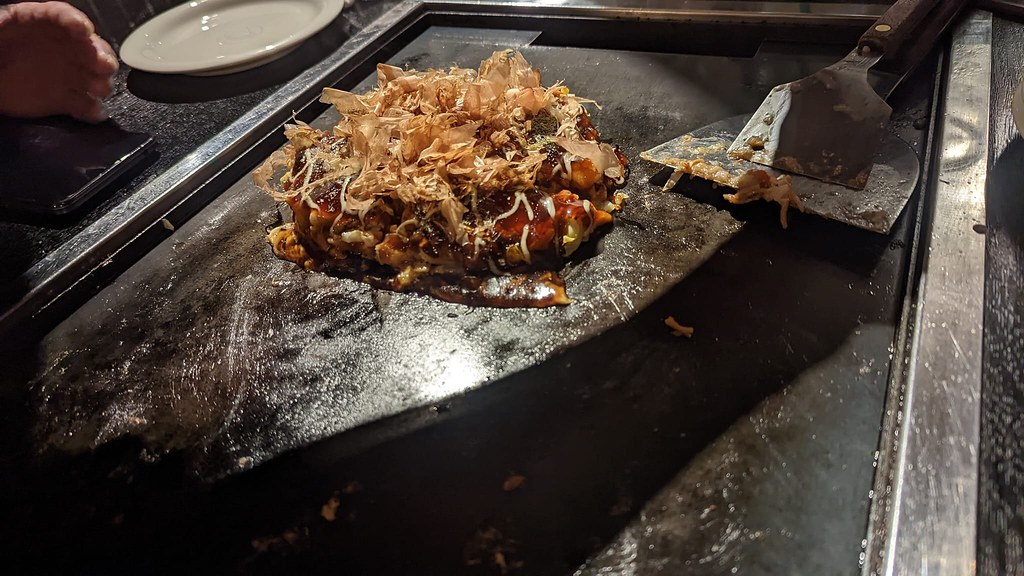
    My travel companion, driven by her longstanding obsession with regional food specialties, searched for monjayaki (もんじゃ焼き), a Tokyo-area dish she had long wanted to try. Yokohama, being close by, seemed like a good bet — and we were lucky enough to find a nearby restaurant. It was decided: we would go, rain or not.

    As we were walking our bikes, we met an energetic middle-aged woman biker wearing an apron. She struck up a conversation with us, and when she heard the name of the restaurant we were heading to, her face lit up — she was a regular there. This marked our second unexpected twist.

    Though she spoke only Japanese and a few words of English, her warmth and enthusiasm crossed all language barriers. She insisted on accompanying us to the restaurant and cheered us on, saying how much she admired our journey. She was also a formidable drinker — her large glass of beer was already half empty by the time we had blinked. She seemed delighted to discover my friend could drink too, and immediately ordered another round (while I stood away from all sorts of alcohol).

    Inside, she enthusiastically told the restaurant staff that we were from Taiwan and Canada, currently biking across Japan. She helped us order and explained the different types of monjayaki using animated gestures, sound effects, and exaggerated expressions.

    There are generally two main types of monjayaki: one is a mix of various ingredients cooked into a soft, pancake-like mush, often topped with crunchy ramen noodles. The other resembles a takoyaki pizza, cooked until golden and sliced to share. Both were delicious, and the hands-on eating experience made it even more fun. This ended up being one of the most enjoyable meals of our entire trip.

    At one point, we asked her why she decided to join us. She paused, poked her forehead (clearly tipsy), and said, '偶然' (guzen) — just a coincidence. She said we gave her a strong first impression. It felt like the timing, the people, the place — all of it lined up perfectly. That sense of serendipity made her want to support us and cheer us on.

    Her words were disarmingly sincere. There was no hidden agenda — just a desire to offer kindness, simply because it felt right. Earlier in the day, we were frustrated: soaked by rain, thrown off by closed attractions, and navigating hectic traffic. But now, when I think back on Yokohama, it’s not the rain or the closed museums that stands out. It’s the lady's vibrant laughter, the cheerful '乾杯' (kanpai), and the spontaneous connection we shared. Before we parted ways, she gave us her contact details. In the future, whenever we think of Yokohama, we would remember this rainy night and this casual encounter with her.

    Ride replay on Relive
  • Day 46-48: Chofu to Mitaka (Tokyo)

    Date
    2022-11-26 to 28, Saturday to Monday
    Distance
    3.67 km biked (2776.48 km in total)

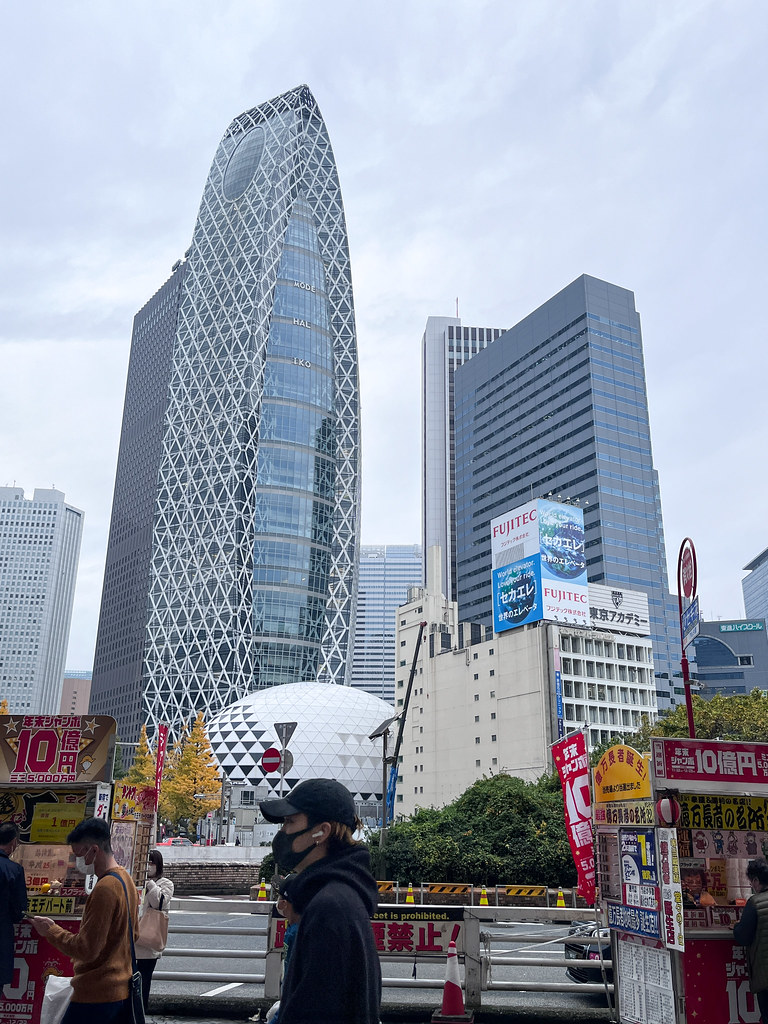
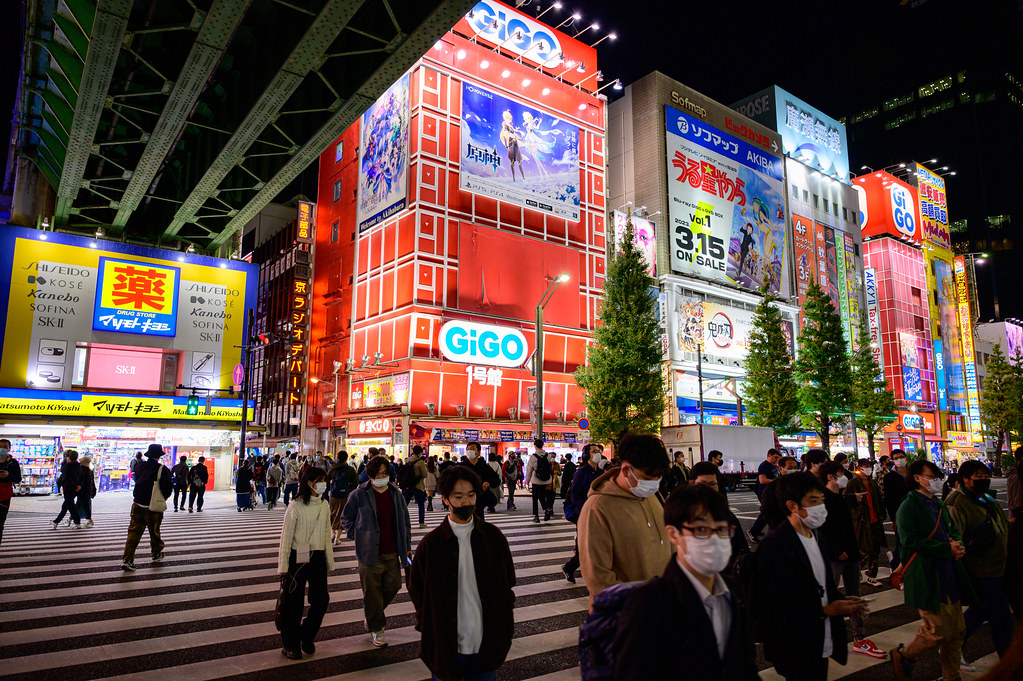
    After 45 days of cycling, we finally arrived in the mega-city where we dropped by briefly in October: Tokyo! We scheduled 3 rest days to experience all the sights and sounds of this metropolis. It is generally advised for foreigners to avoid biking in the busy streets of Tokyo, so we decided to go around the capital by public transit.

    Our Tokyo excursion started with navigating the complex subway system which was run by multiple companies operating different lines and selling different passes. To purchase our all-around 3-day pass, we were stuck for 2 hours underground, waiting in lines and walking between different counters to finally get to the right one.

    Once this challenge surmounted, we were facing the intricacy of the planning of the subway lines, which although extensive, were designed in a not so convenient manner in my humblest opinion. To go south-west one often needs to go east a few stations, then transfer to the south line and then west line. I suppose this has something to do with Tokyo's unique geography and topography, as the city is built on a network of rivers and canals, and is surrounded by mountains. Still, it would be easier to navigate if the lines basically follow a rectilinear pattern around the natural obstacles, but in reality they often zig-zag through different neighbourhoods, requiring passengers to make multiple transfers to reach their destination.

    On the ground level, streets in Tokyo are clearly designed for motorised vehicles with limited pedestrian-friendly infrastructure, despite the huge pedestrian population in the capital. There are so many intersections that prioritise motorised vehicles and that pedestrians are not allowed to cross, so we often have to make a long detour to the next block, or climb over a pedestrian bridge or descend into a pedestrian tunnel to cross the streets. All of these stairs climbing posed a particular challenge for pedestrians with knee problems and mobility issues. I think walking in Tokyo strains my knees more than cycling across Japan.

    Overall, the transportation system in Tokyo is tricky. It takes a lot of time for foreign nationals to navigate through the complex system with many opportunities to get lost or take the wrong train. If you have an appointment, I would recommend adding extra 30 minutes or even an hour to your commute to avoid getting late. After all, you never get bored in Tokyo even if you arrive early. I was told that cycling in the centre of Tokyo is possible — though due to parking issues, still not as convenient as in Montreal — if one gets the hang of it, yet for foreigners who need to constantly consult the map or look for directions, it's not really recommended, as dodging cars and navigating through crowded intersections are no easy feat.

    That being said, I was immensely impressed by how disciplined Japanese passengers were. While waiting for the bus / train in such a densely populated urban centre, everyone lines up neatly in silence, minding their own business.

    As the 'easiest' Japanese city to travel to, Tokyo holds no particular attraction for me with its iconic landmarks and never-sleeping neighbourhoods that will not disappear within decades. What I long for experiencing are rare opportunities that last only a limited span of time, such as exhibitions.

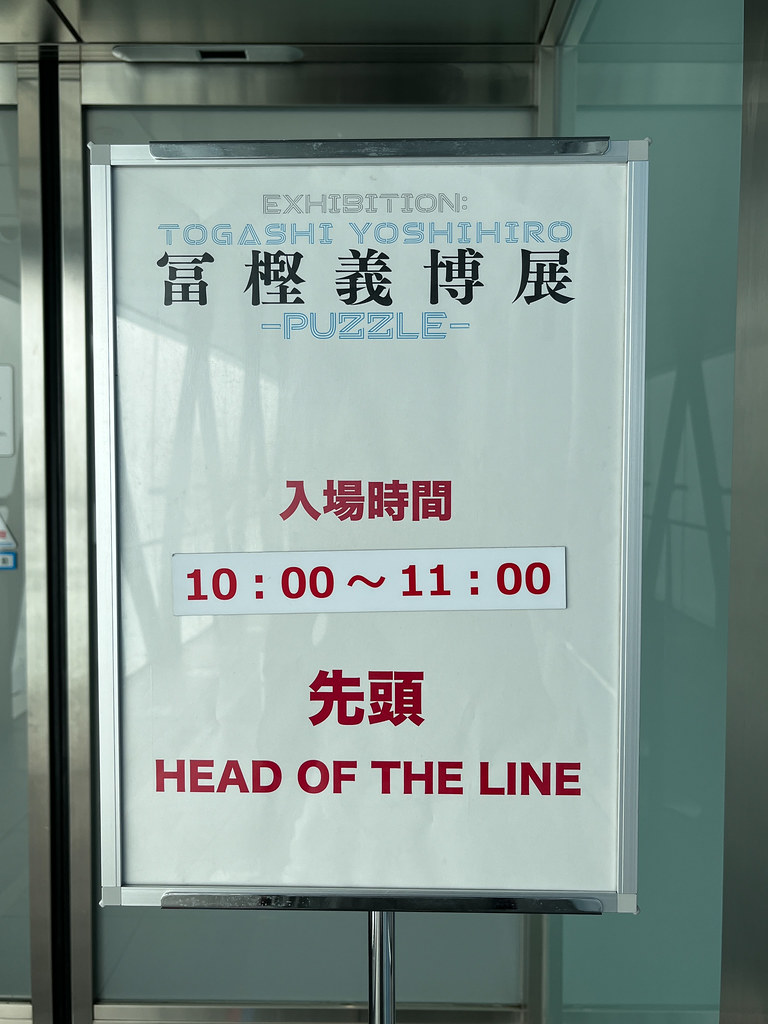
    Speaking of exhibitions, I as a foreign visitor need to complain about the immense frustration caused by Japan's ticket-selling system. There is a myriad of excellent exhibitions in Tokyo year-round, but the system makes it an quasi-impenetrable barrier for foreigners to purchase the tickets at popular venues, be it for Studio Ghibli's permanent exhibition at Studio Ghibli Museum, the Togashi Yoshihiro (冨樫義博) Solo Exhibition at Mori Art Museum, or whatnot. Often than not, tickets are not sold on the spot at the museum entrance, but need to be purchased ahead of the scheduled time of visit. To book a ticket, one may need to go to a local convenience store by physically setting foot on Japanese ground, or if online sale is made possible, one would need to register an account with whatever platform the company chooses to use, which often requires having a Japanese phone number and a Japanese address — but how many foreign nationals would have this information to become qualified buyers? We are lucky in that my friend has a family living in Japan and thus can provide a postal address and a valid phone number. But even so, we still needed to spend an hour or so battling with all the questions posed by the system to finally get our tickets booked. Then the final step is to go to a convenience store to print them. I was told that other foreigners have to rely on proxy service providers to purchase tickets for them (no guarantee that the ticket wouldn't sell out before they booked their spots), often a month in advance, before booking their flight to Japan. What a pain!

    After paying Mori Art Museum which is located on the soaring 53th floor two visits — the first time to find out tickets on that day were sold out, the second time to find out tickets need to be purchased online — we finally got to attend the Togashi Yoshihiro Exhibition 'Puzzle' showcasing retrospectively 4 of his major works on the last day of our stay in Tokyo.

    For anyone of my generation who grew up with Japanese manga and anime, YuYu Hakusho (1990 – 1994) is a common memory. The more recent Hunter × Hunter (1998 – present) has gained immense popularity amongst the younger generation since the release of the animated adaptation in 2011. Due to Togashi's illness, the manga has been on persistent hiatus on and off for years, so this exhibition provides fans who are eager to read new chapters an unique opportunity to immerse themselves in the creative world of his, thanks to all the original manuscripts, sketches and character designs in display.

    Without a surprise, there were a myriad of visitors attending this highly anticipated event. Not only was everyone's entrance time scheduled, going backward against the flow of the visit was prohibited. The number of people looking at a manuscript often extended to two rows. I have never been to an exhibition in the presence of so many enthusiasts that sometimes, I had to pour forth my strength with the wrestling intensity to get out of the vast crowd!

    Even though I cannot say to be an ardent fan of Togashi's often violent narrative, I nevertheless see value in his mastery of the art of manga drawing. So I spent a lot of time and energy examining each manuscript attentively, observing with my friend the evolution of his drawing techniques and styles over the years, while others discussed the plot and characters with a particular focus on the story-telling.

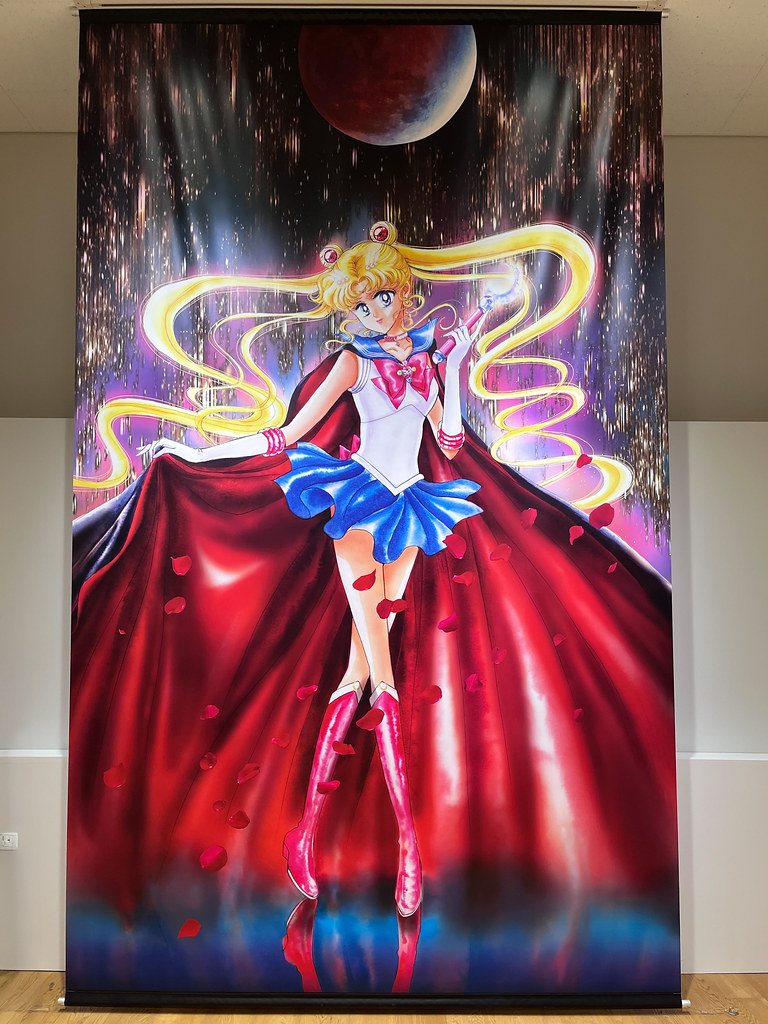
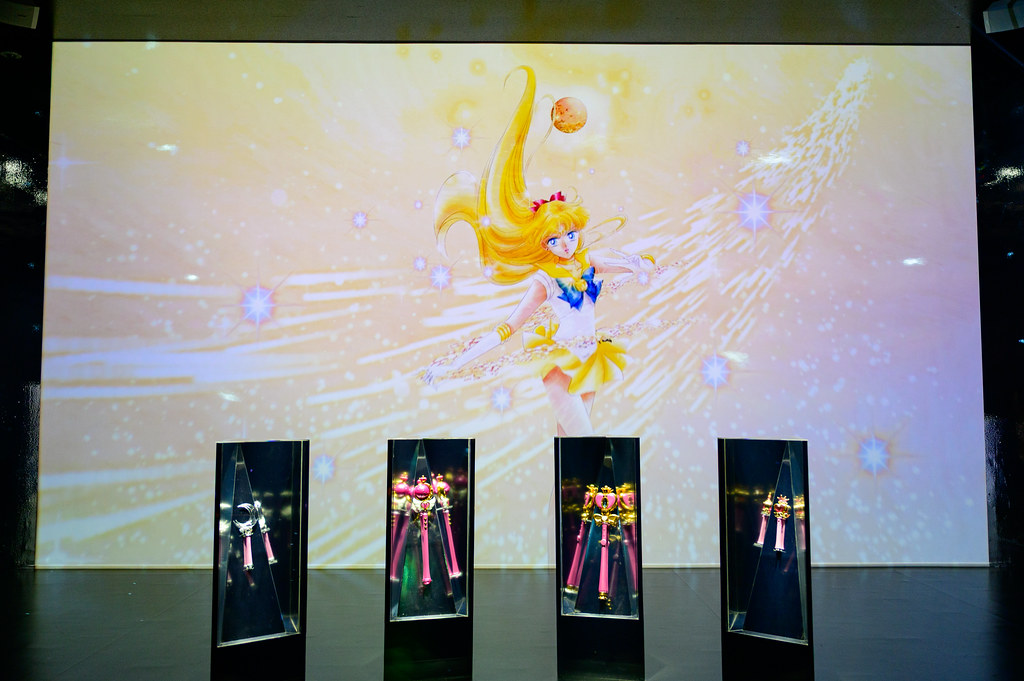
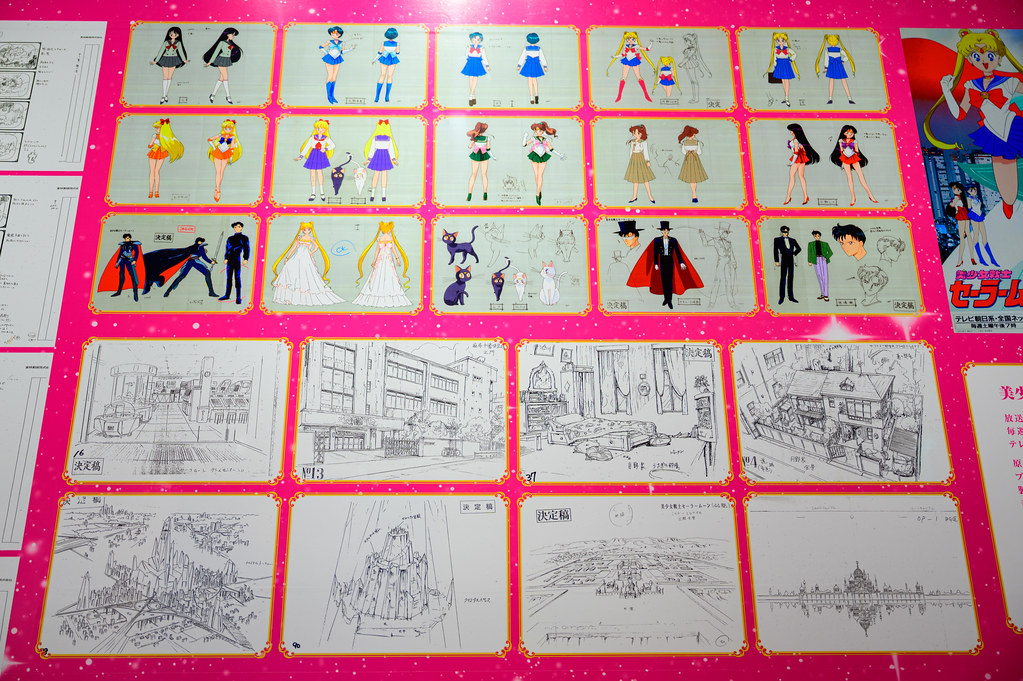
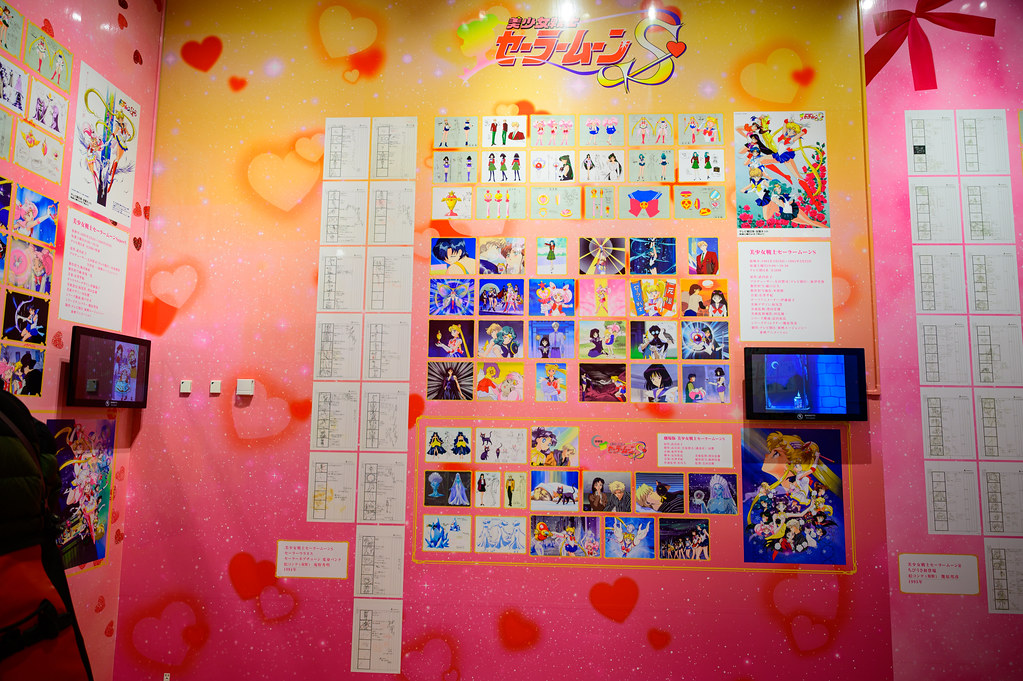
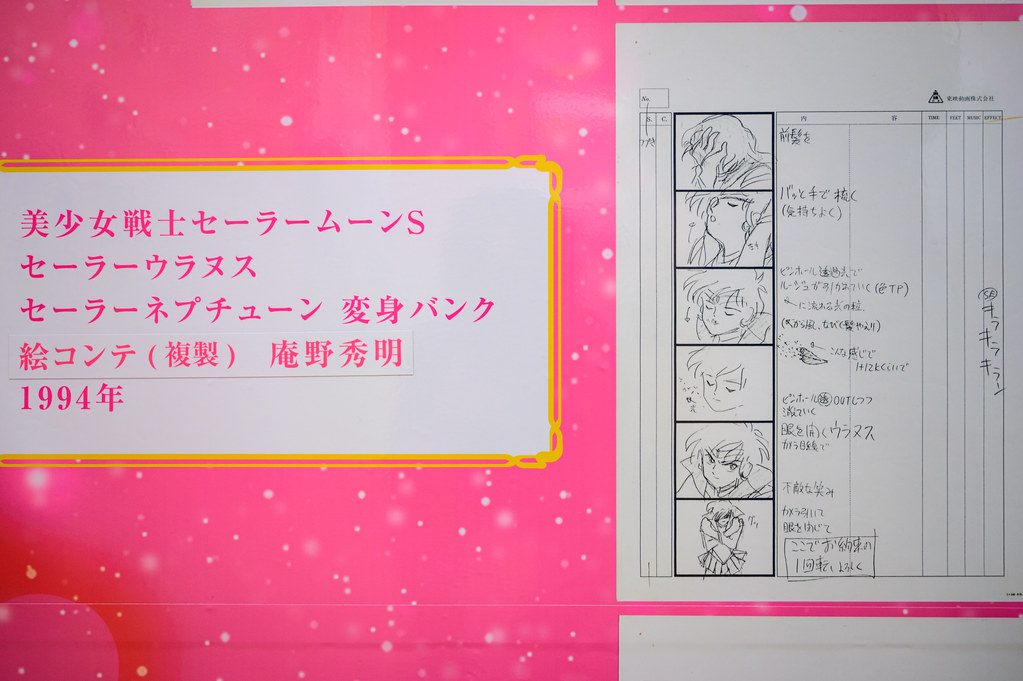
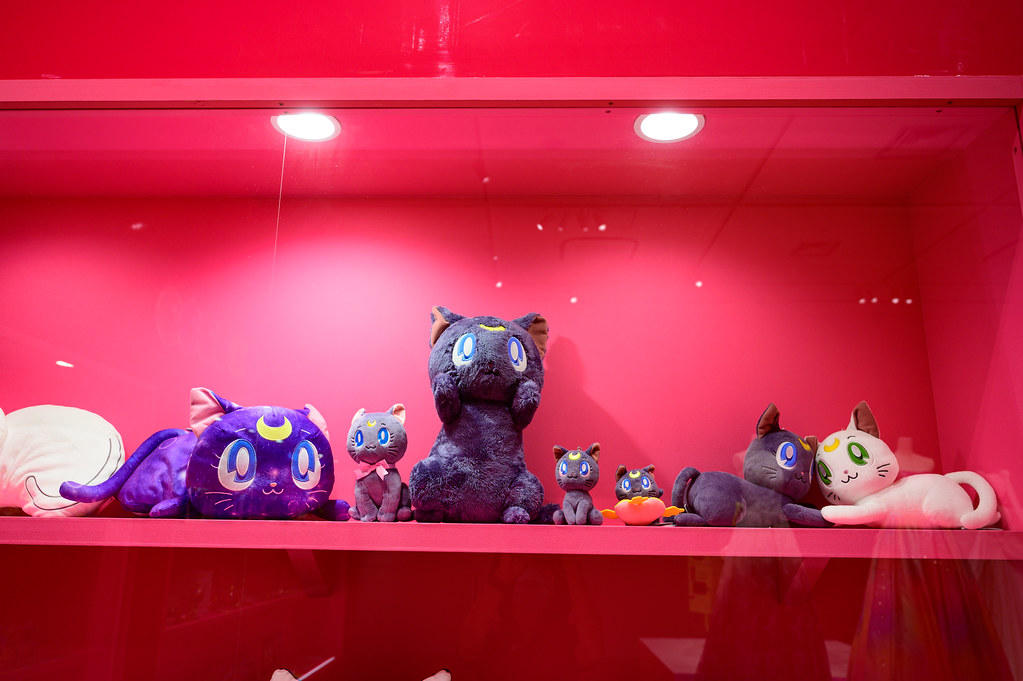
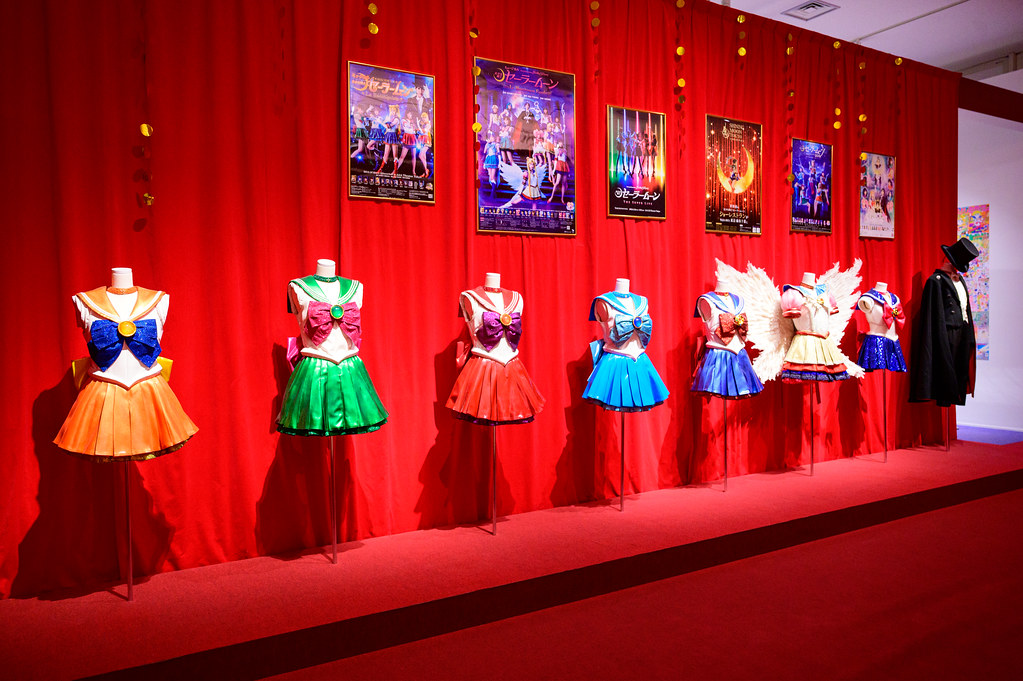
    We also went to see the last of the series of 3 exhibitions devoted to Sailor Moon (1991 – 1997) franchise, another sensation that had immense impact on the manga and animation industry while I was growing up and that was created by Togashi's wife, Naoko Takeuchi (武内直子). There is a whole Sailor Moon Museum established in 2017 to commemorate the 25th anniversary of the franchise. The museum feels more spacious, as visitors are less dense. It was agreeable to walk around the installations, costumes, life-size figures and memorabilia related to the franchise, although I felt a little crestfallen that most of the illustrations, anime cels, concept arts, were printed reproductions and not original manuscripts, but it was nice to see pre-production materials such as storyboards once in a lifetime, as they were rarely — if ever — made available to the general public.

    I have always disliked Sailor Moon's narrative but this doesn't deter me from appreciating its being an anime/manga classic. Also, I came to buy souvenirs for a couple of ardent fans I knew. One type of anime/manga-related merchandise that I really enjoy buying is the 'blind box/bag': says, the product line consists of 10 varieties, each of which is randomly put into a non-transparent box/bag that no one can see through. You randomly pick up a box/bag without knowing what you will get. In Montreal, this type of blind box/bag is often rendered 'not so blind' by importers who purchase a large quantity of such products and sort them by variety after having opened them. This takes away all the fun of randomly drawing a blind box/bag which you need to come to Japan to experience!

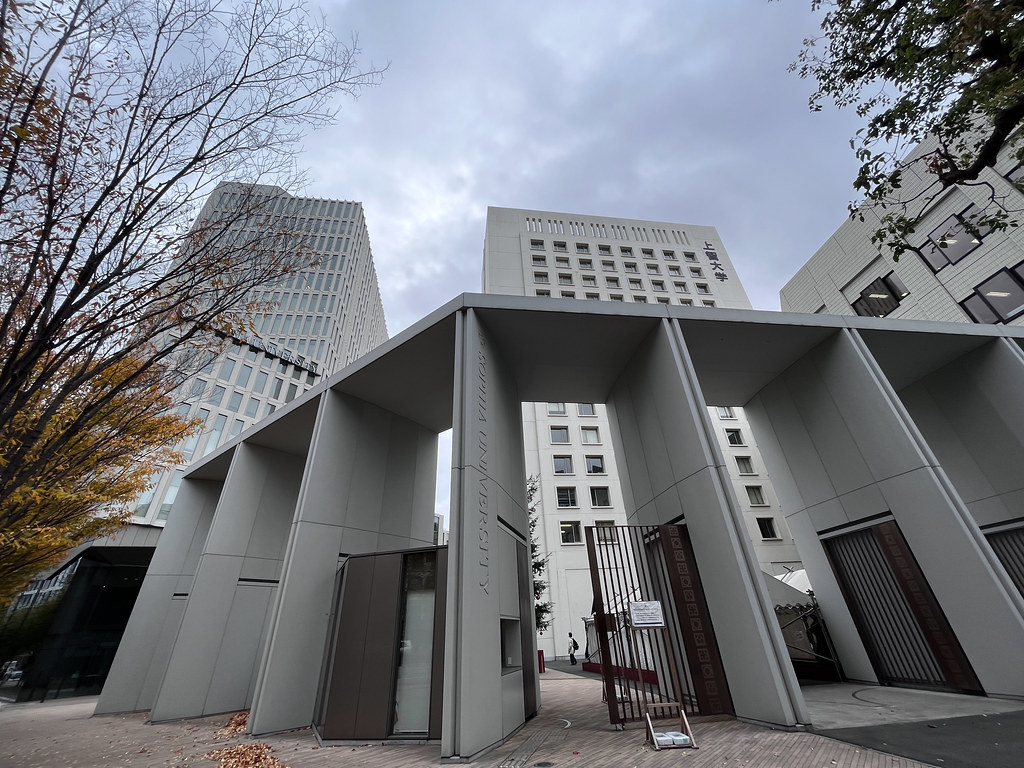
    We also went to see the exhibition of Noble Farmer (2006 – present) at Tokyo University of Agriculture. This is the second Hiromu Arakawa (荒川弘) exhibition after the one on Silver Spoon (2011 – 2019) in Obihiro we attended. This exhibition is considerably smaller in scope than the Obihiro one, displaying not original drawings but reproductions, which is understandable as this is a lesser known manga series of hers.

    While it's true that I am a huge fan of modern-day manga/anime — I do see values in this form of art and think it no less 'noblely' than the tradition — I too am capable of appreciating the more traditional forms of art. One of the memorable visits we had in Tokyo is the Sumida Hokusai Museum dedicated to the ukiyo-e artist Katsushika Hokusai (1760 – 1849). Beside his woodblock print series Thirty-Six Views of Mount Fuji, I was pleasantly surprised to find out his lesser known artworks of various media, such as silk painting, and of different styles that incorporate bold use of colour and unconventional perspective.

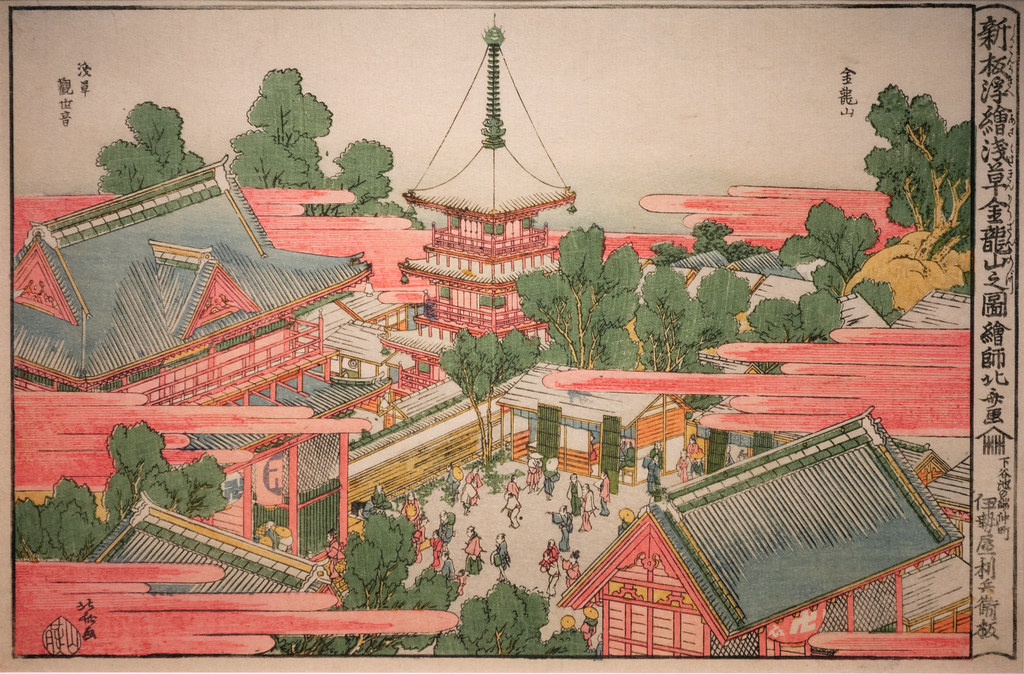
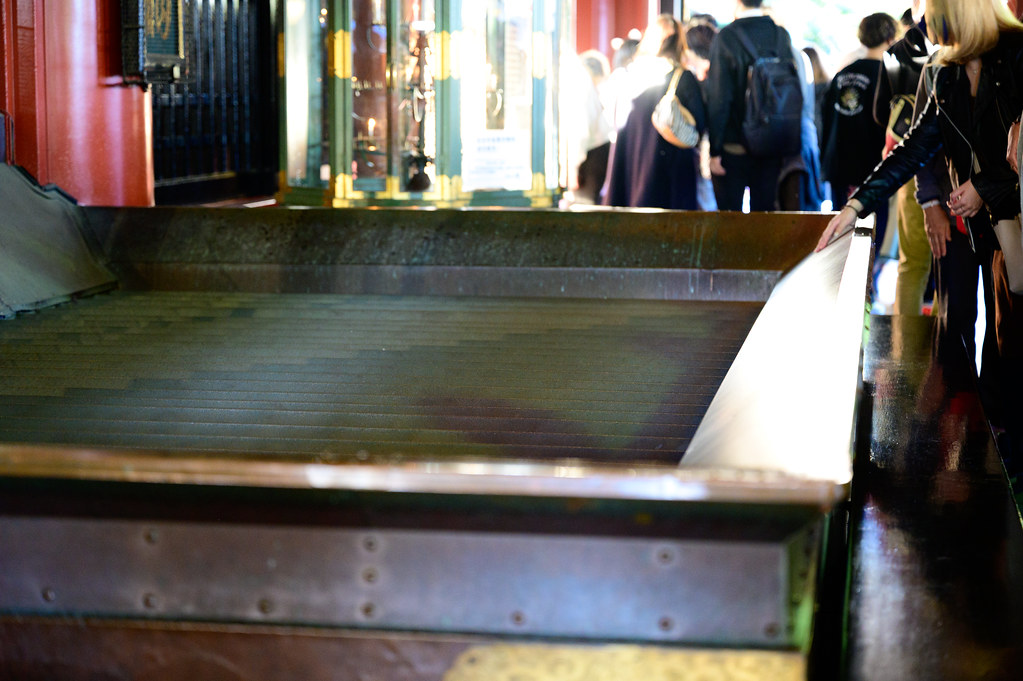
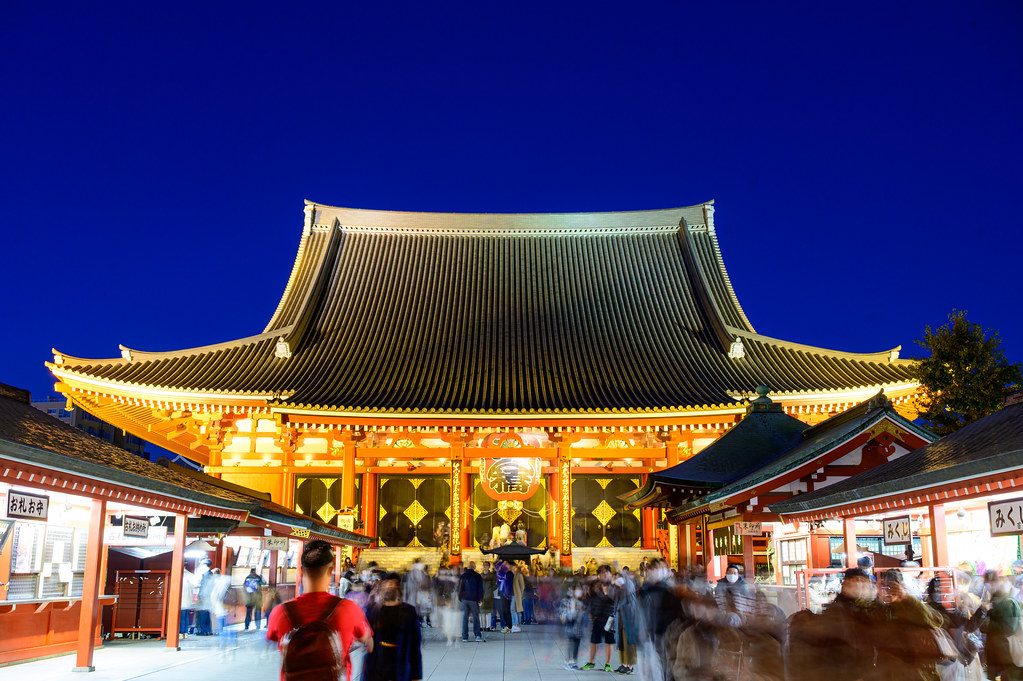
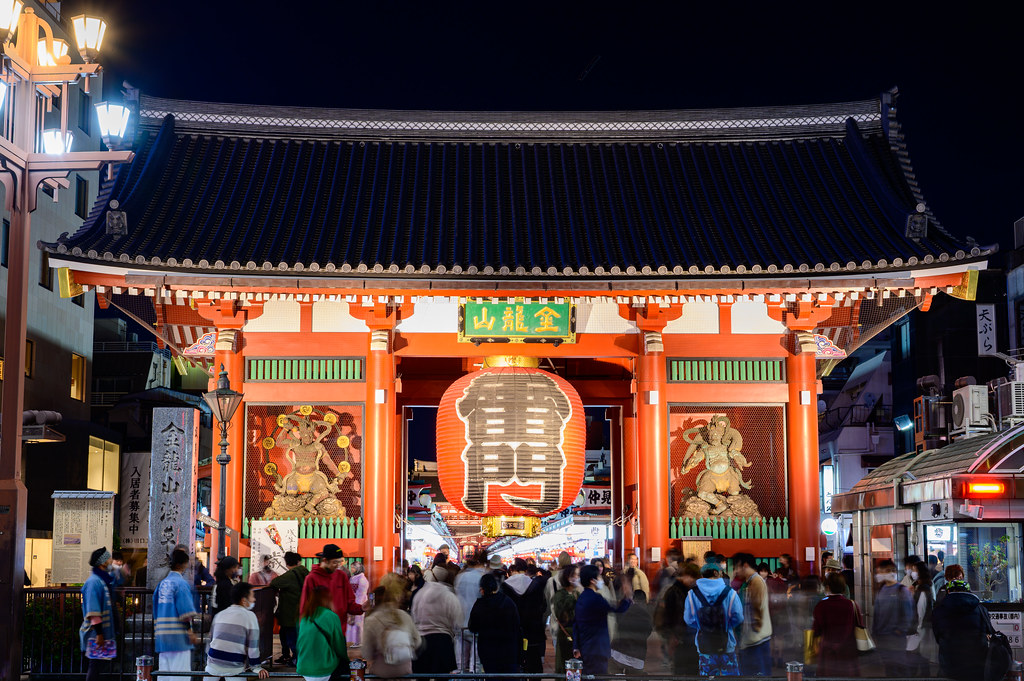
    As for Tokyo's religious sites, we visited Senso-ji (浅草寺), the oldest Buddhist temple in Tokyo. It didn't disappoint; any casual glance of the site is of great interest. Senso-ji is particularly beautiful during the blue hours when the sun sets and the lights are just up. However, I find Senso-ji heavily tourist-orientated, always crowded and bustling with commercial activities in the adjacent alleys,

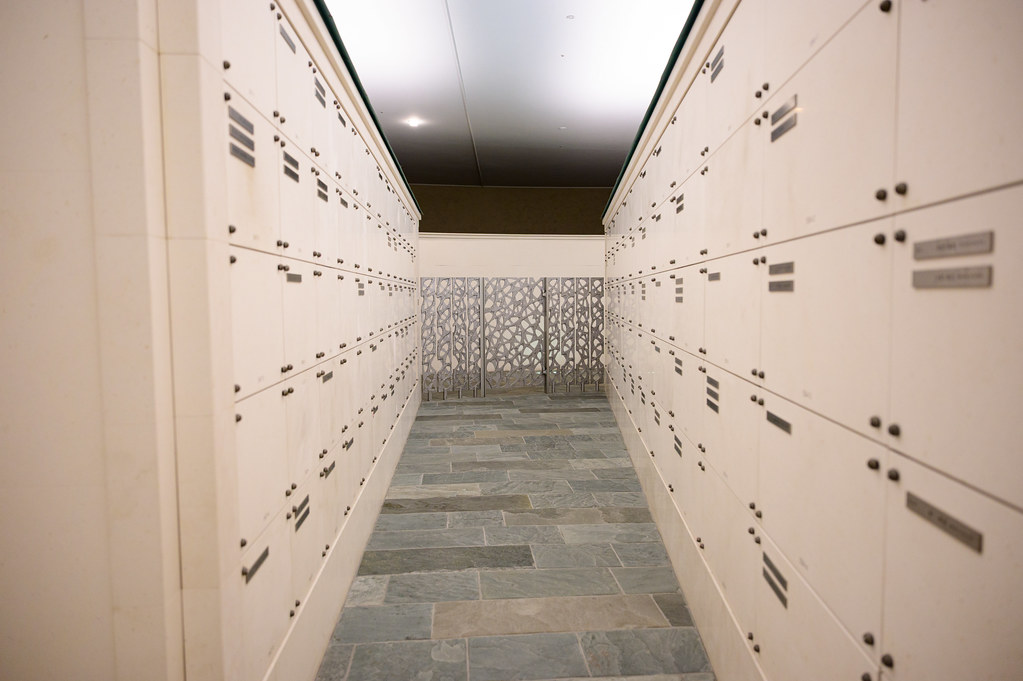
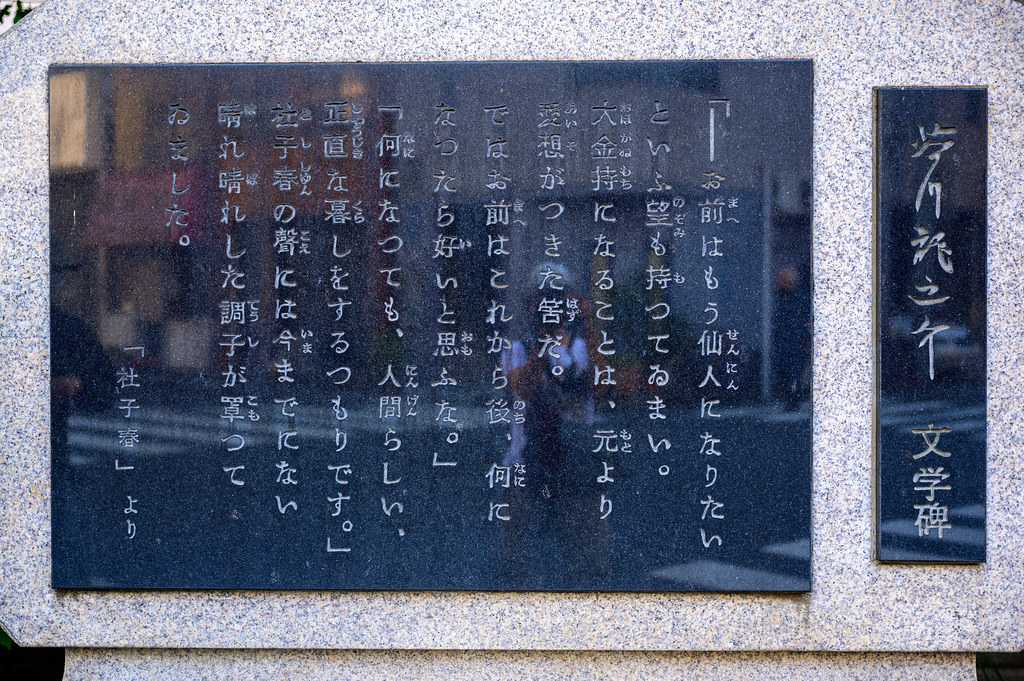
    We also went to St. Ignatius Catholic Church not for visiting the church but for paying tribute to my favourite Japanese writer Shusaku Endo (遠藤周作, 1923 – 1996). Since 2015, his family tomb has been moved to the vault of this church. I had imagined his final resting place to be easily findable and decorated with flowers and commemorative plaques, but no, there was absolutely nothing special about his family niche that was placed among arrays of columbarium with 3 small plaques showing his, his mother's, and his wife's names. Without the church staff's indication, we wouldn't be able to find it. His resting place is just as humble as the impression he gives me through his writing.

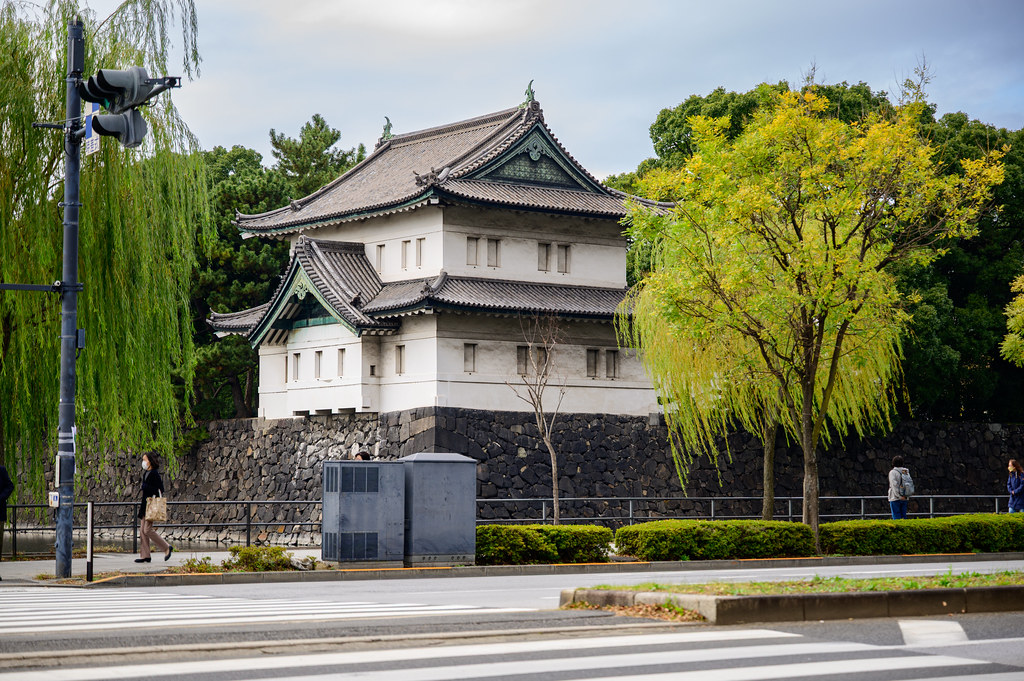
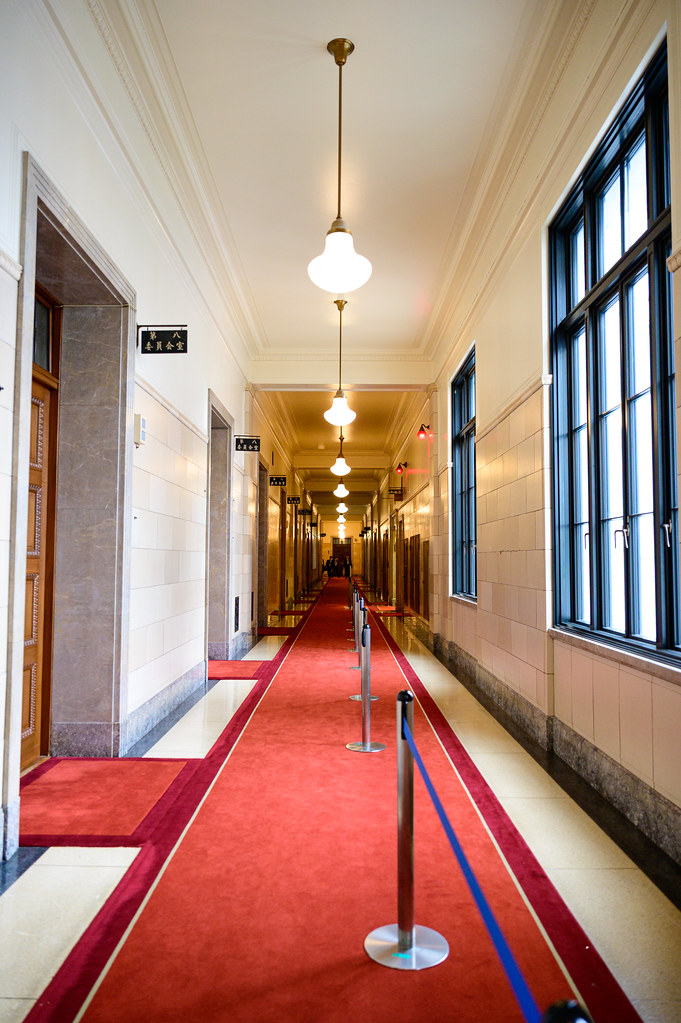
    The most unexpected visit we had in Tokyo was an one-hour guided tour inside the National Diet Building (国会議事堂) Originally, we would be pleased with a simple walk around the exterior plaza area, just like what we did for the royal residence, but when we learned that foreign nationals were also permitted to join the guided tour, we immediately booked two spots for ourselves. I was surprised to see that there were quite a few dozen Japanese citizens who came to visit the political centre of the country. Surprised, because in post-modern Japan, the turnout rate is getting lower and lower election by election (it is the case because Japanese politicians tend to originate from a few political clans that intermarry themselves — there is so little diversity among the possible candidates), so I have always considered Japanese citizens somewhat apolitical. Maybe lack of political engagement doesn't deter them from enjoying a visit to a landmark of historical significance?

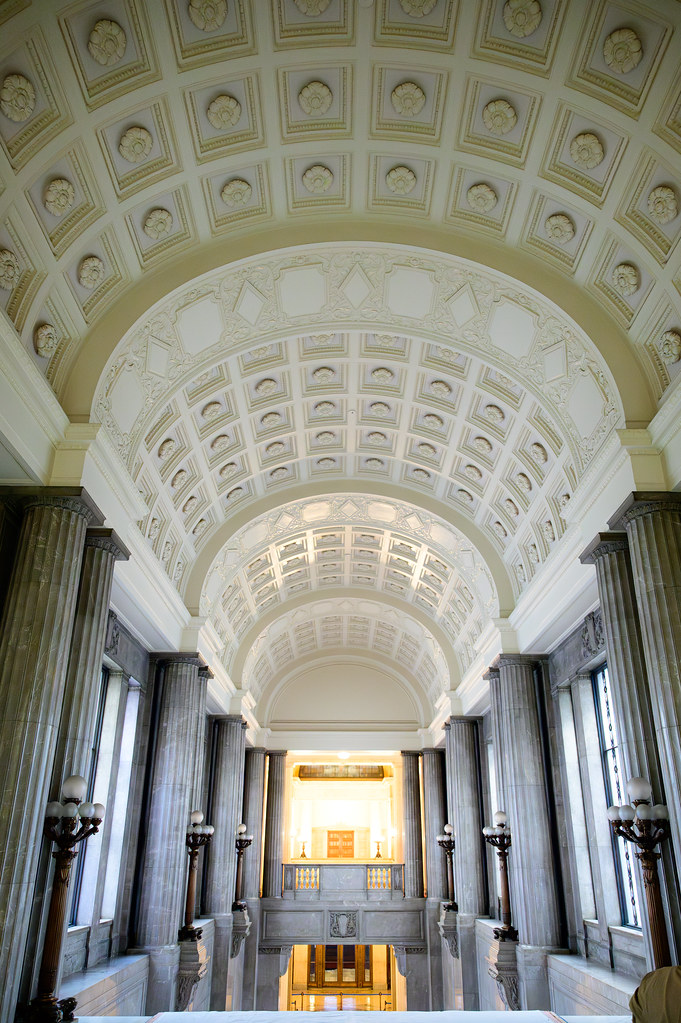
    The building is said to have incorporated Western and Japanese architectural elements, but I saw it as being designed in the Neoclassical style without a hint of Japaneseness. Unlike the European palais of the most sumptuous sort that are often rich in frescoed walls and gilded arches, the interior of the National Diet is sometimes plain, and the spacious hallway and high ceiling hardly ever luxuriously decorated. It is nevertheless graced with variegated marble throughout and occasional carving on the stone and the wood that help to convey a sense of prestige and solemnity. We had a long pause at the House of Representatives Chamber to listen to a presentation which I understood little (at the same time my friend was falling asleep). The seating arrangement for the representatives was marked in bold characters, obviously for visitors to get an easy glimpse of the structure of the legislative chamber.

    My friend and I arranged meetups with our respective friends living in Tokyo area during our 3-day stay. My friend reunited with her university classmate whom she hasn't seen in the past 15 years. Now fully integrated into Japanese society, she particularly noted Japanese people's 'shyness' — communication is never direct, but often carried out in a roundabout way through various hints and suggestions, which force her to guess what they mean. She mockingly calls this style of indirect communication 'mediumship'. We also talked about Japanese people's excessive observance of all sorts of rules, which even a new learner of Japanese culture such as I can easily remark on.

    My meetup was with 2 of the conversation buddies I met online through my university Japanese courses. It was a joy to see Mina and Kosei in flesh and blood for the first time. Both of them had moved to the Tokyo area for work after graduation from university, embarking on their new lives as full-time employees. Living in a mega-city comes with many challenges, but they also enjoy the vibrant energy and endless variety this metropolis offers. Life has become busier, yet at the same time more exciting too; they have no plan to return to their relatively small hometowns at least for a good stretch of their adult life.

    On the last night of our stay in Tokyo, we bid farewell to our generous Chofu hosts and said hello to our Mitaka hosts, who live barely 4 km away down the road. I decided to make this switch because I want to meet as many people as possible during this tour (while my poor companion follows along patiently). Russian nationals by birth, Diana and her partner Sasha have lived in Japan for about a decade. Despite being fluent in speaking Japanese, they still haven't gotten to know their Japanese neighbours who would shun running into them even sporadically. The distinction between insiders and outsiders remains deeply felt in Japanese society, yet they remain positive still in believing that one day they would be allowed to fit in.

    While Diana is studying at graduate school, Sasha currently works in downtown Tokyo to where he commutes back and forth by bike. According to him, for one who knows the metropolitan area well enough, biking in Tokyo is feasible though still not a wonderful experience. They are both cyclists who want to start doing longer bike tours, first around Japan, and eventually abroad. Diana signed up for Warmshowers out of curiosity, assuming that no one would come to this quiet outskirt of Tokyo over flashier tourist hubs to stay in the metropolis. To her surprise, my message arrived one day after she had posted her availability: 'I literally woke up to your hosting request!' she laughed. It never ceases to amaze me how a shared passion can help to connect individuals from seemingly unrelated spheres of endeavour in a globe filled with 8 billion people. Of course, our new hosts also lavished upon us all their hospitality by sharing many life stories and observations on Japanese culture from a foreigner's point of view with us. It was an enlightening late night chat with them.

    The full take — photographs 1–130 of 259 from these days
    Chofu to Mitaka (Tokyo) — photograph 1 of 259 Chofu to Mitaka (Tokyo) — photograph 2 of 259 Chofu to Mitaka (Tokyo) — photograph 3 of 259 Chofu to Mitaka (Tokyo) — photograph 4 of 259 Chofu to Mitaka (Tokyo) — photograph 5 of 259 Chofu to Mitaka (Tokyo) — photograph 6 of 259 Chofu to Mitaka (Tokyo) — photograph 7 of 259 Chofu to Mitaka (Tokyo) — photograph 8 of 259 Chofu to Mitaka (Tokyo) — photograph 9 of 259 Chofu to Mitaka (Tokyo) — photograph 10 of 259 Chofu to Mitaka (Tokyo) — photograph 11 of 259 Chofu to Mitaka (Tokyo) — photograph 12 of 259 Chofu to Mitaka (Tokyo) — photograph 13 of 259 Chofu to Mitaka (Tokyo) — photograph 14 of 259 Chofu to Mitaka (Tokyo) — photograph 15 of 259 Chofu to Mitaka (Tokyo) — photograph 16 of 259 Chofu to Mitaka (Tokyo) — photograph 17 of 259 Chofu to Mitaka (Tokyo) — photograph 18 of 259 Chofu to Mitaka (Tokyo) — photograph 19 of 259 Chofu to Mitaka (Tokyo) — photograph 20 of 259 Chofu to Mitaka (Tokyo) — photograph 21 of 259 Chofu to Mitaka (Tokyo) — photograph 22 of 259 Chofu to Mitaka (Tokyo) — photograph 23 of 259 Chofu to Mitaka (Tokyo) — photograph 24 of 259 Chofu to Mitaka (Tokyo) — photograph 25 of 259 Chofu to Mitaka (Tokyo) — photograph 26 of 259 Chofu to Mitaka (Tokyo) — photograph 27 of 259 Chofu to Mitaka (Tokyo) — photograph 28 of 259 Chofu to Mitaka (Tokyo) — photograph 29 of 259 Chofu to Mitaka (Tokyo) — photograph 30 of 259 Chofu to Mitaka (Tokyo) — photograph 31 of 259 Chofu to Mitaka (Tokyo) — photograph 32 of 259 Chofu to Mitaka (Tokyo) — photograph 33 of 259 Chofu to Mitaka (Tokyo) — photograph 34 of 259 Chofu to Mitaka (Tokyo) — photograph 35 of 259 Chofu to Mitaka (Tokyo) — photograph 36 of 259 Chofu to Mitaka (Tokyo) — photograph 37 of 259 Chofu to Mitaka (Tokyo) — photograph 38 of 259 Chofu to Mitaka (Tokyo) — photograph 39 of 259 Chofu to Mitaka (Tokyo) — photograph 40 of 259 Chofu to Mitaka (Tokyo) — photograph 41 of 259 Chofu to Mitaka (Tokyo) — photograph 42 of 259 Chofu to Mitaka (Tokyo) — photograph 43 of 259 Chofu to Mitaka (Tokyo) — photograph 44 of 259 Chofu to Mitaka (Tokyo) — photograph 45 of 259 Chofu to Mitaka (Tokyo) — photograph 46 of 259 Chofu to Mitaka (Tokyo) — photograph 47 of 259 Chofu to Mitaka (Tokyo) — photograph 48 of 259 Chofu to Mitaka (Tokyo) — photograph 49 of 259 Chofu to Mitaka (Tokyo) — photograph 50 of 259 Chofu to Mitaka (Tokyo) — photograph 51 of 259 Chofu to Mitaka (Tokyo) — photograph 52 of 259 Chofu to Mitaka (Tokyo) — photograph 53 of 259 Chofu to Mitaka (Tokyo) — photograph 54 of 259 Chofu to Mitaka (Tokyo) — photograph 55 of 259 Chofu to Mitaka (Tokyo) — photograph 56 of 259 Chofu to Mitaka (Tokyo) — photograph 57 of 259 Chofu to Mitaka (Tokyo) — photograph 58 of 259 Chofu to Mitaka (Tokyo) — photograph 59 of 259 Chofu to Mitaka (Tokyo) — photograph 60 of 259 Chofu to Mitaka (Tokyo) — photograph 61 of 259 Chofu to Mitaka (Tokyo) — photograph 62 of 259 Chofu to Mitaka (Tokyo) — photograph 63 of 259 Chofu to Mitaka (Tokyo) — photograph 64 of 259 Chofu to Mitaka (Tokyo) — photograph 65 of 259 Chofu to Mitaka (Tokyo) — photograph 66 of 259 Chofu to Mitaka (Tokyo) — photograph 67 of 259 Chofu to Mitaka (Tokyo) — photograph 68 of 259 Chofu to Mitaka (Tokyo) — photograph 69 of 259 Chofu to Mitaka (Tokyo) — photograph 70 of 259 Chofu to Mitaka (Tokyo) — photograph 71 of 259 Chofu to Mitaka (Tokyo) — photograph 72 of 259 Chofu to Mitaka (Tokyo) — photograph 73 of 259 Chofu to Mitaka (Tokyo) — photograph 74 of 259 Chofu to Mitaka (Tokyo) — photograph 75 of 259 Chofu to Mitaka (Tokyo) — photograph 76 of 259 Chofu to Mitaka (Tokyo) — photograph 77 of 259 Chofu to Mitaka (Tokyo) — photograph 78 of 259 Chofu to Mitaka (Tokyo) — photograph 79 of 259 Chofu to Mitaka (Tokyo) — photograph 80 of 259 Chofu to Mitaka (Tokyo) — photograph 81 of 259 Chofu to Mitaka (Tokyo) — photograph 82 of 259 490929122_24194956106757989_6430152956514368902_n Chofu to Mitaka (Tokyo) — photograph 84 of 259 Chofu to Mitaka (Tokyo) — photograph 85 of 259 Chofu to Mitaka (Tokyo) — photograph 86 of 259 Chofu to Mitaka (Tokyo) — photograph 87 of 259 Chofu to Mitaka (Tokyo) — photograph 88 of 259 Chofu to Mitaka (Tokyo) — photograph 89 of 259 Chofu to Mitaka (Tokyo) — photograph 90 of 259 Chofu to Mitaka (Tokyo) — photograph 91 of 259 Chofu to Mitaka (Tokyo) — photograph 92 of 259 Chofu to Mitaka (Tokyo) — photograph 93 of 259 Chofu to Mitaka (Tokyo) — photograph 94 of 259 Chofu to Mitaka (Tokyo) — photograph 95 of 259 Chofu to Mitaka (Tokyo) — photograph 96 of 259 Chofu to Mitaka (Tokyo) — photograph 97 of 259 Chofu to Mitaka (Tokyo) — photograph 98 of 259 Chofu to Mitaka (Tokyo) — photograph 99 of 259 Chofu to Mitaka (Tokyo) — photograph 100 of 259 Chofu to Mitaka (Tokyo) — photograph 101 of 259 491919545_24194956076757992_4310770944013514798_n Chofu to Mitaka (Tokyo) — photograph 103 of 259 Chofu to Mitaka (Tokyo) — photograph 104 of 259 Chofu to Mitaka (Tokyo) — photograph 105 of 259 Chofu to Mitaka (Tokyo) — photograph 106 of 259 Chofu to Mitaka (Tokyo) — photograph 107 of 259 Chofu to Mitaka (Tokyo) — photograph 108 of 259 491386955_24194956353424631_1767767717164458780_n Chofu to Mitaka (Tokyo) — photograph 110 of 259 Chofu to Mitaka (Tokyo) — photograph 111 of 259 Chofu to Mitaka (Tokyo) — photograph 112 of 259 Chofu to Mitaka (Tokyo) — photograph 113 of 259 Chofu to Mitaka (Tokyo) — photograph 114 of 259 Chofu to Mitaka (Tokyo) — photograph 115 of 259 Chofu to Mitaka (Tokyo) — photograph 116 of 259 Chofu to Mitaka (Tokyo) — photograph 117 of 259 Chofu to Mitaka (Tokyo) — photograph 118 of 259 Chofu to Mitaka (Tokyo) — photograph 119 of 259 Chofu to Mitaka (Tokyo) — photograph 120 of 259 Chofu to Mitaka (Tokyo) — photograph 121 of 259 Chofu to Mitaka (Tokyo) — photograph 122 of 259 Chofu to Mitaka (Tokyo) — photograph 123 of 259 Chofu to Mitaka (Tokyo) — photograph 124 of 259 Chofu to Mitaka (Tokyo) — photograph 125 of 259 Chofu to Mitaka (Tokyo) — photograph 126 of 259 Chofu to Mitaka (Tokyo) — photograph 127 of 259 Chofu to Mitaka (Tokyo) — photograph 128 of 259 Chofu to Mitaka (Tokyo) — photograph 129 of 259 Chofu to Mitaka (Tokyo) — photograph 130 of 259
    The full take — photographs 131–259 of 259 from these days
    Chofu to Mitaka (Tokyo) — photograph 131 of 259 Chofu to Mitaka (Tokyo) — photograph 132 of 259 Chofu to Mitaka (Tokyo) — photograph 133 of 259 Chofu to Mitaka (Tokyo) — photograph 134 of 259 Chofu to Mitaka (Tokyo) — photograph 135 of 259 Chofu to Mitaka (Tokyo) — photograph 136 of 259 Chofu to Mitaka (Tokyo) — photograph 137 of 259 Chofu to Mitaka (Tokyo) — photograph 138 of 259 Chofu to Mitaka (Tokyo) — photograph 139 of 259 Chofu to Mitaka (Tokyo) — photograph 140 of 259 Chofu to Mitaka (Tokyo) — photograph 141 of 259 Chofu to Mitaka (Tokyo) — photograph 142 of 259 Chofu to Mitaka (Tokyo) — photograph 143 of 259 Chofu to Mitaka (Tokyo) — photograph 144 of 259 Chofu to Mitaka (Tokyo) — photograph 145 of 259 Chofu to Mitaka (Tokyo) — photograph 146 of 259 Chofu to Mitaka (Tokyo) — photograph 147 of 259 Chofu to Mitaka (Tokyo) — photograph 148 of 259 Chofu to Mitaka (Tokyo) — photograph 149 of 259 Chofu to Mitaka (Tokyo) — photograph 150 of 259 Chofu to Mitaka (Tokyo) — photograph 151 of 259 Chofu to Mitaka (Tokyo) — photograph 152 of 259 Chofu to Mitaka (Tokyo) — photograph 153 of 259 Chofu to Mitaka (Tokyo) — photograph 154 of 259 Chofu to Mitaka (Tokyo) — photograph 155 of 259 Chofu to Mitaka (Tokyo) — photograph 156 of 259 Chofu to Mitaka (Tokyo) — photograph 157 of 259 Chofu to Mitaka (Tokyo) — photograph 158 of 259 Chofu to Mitaka (Tokyo) — photograph 159 of 259 Chofu to Mitaka (Tokyo) — photograph 160 of 259 Chofu to Mitaka (Tokyo) — photograph 161 of 259 Chofu to Mitaka (Tokyo) — photograph 162 of 259 Chofu to Mitaka (Tokyo) — photograph 163 of 259 Chofu to Mitaka (Tokyo) — photograph 164 of 259 Chofu to Mitaka (Tokyo) — photograph 165 of 259 Chofu to Mitaka (Tokyo) — photograph 166 of 259 Chofu to Mitaka (Tokyo) — photograph 167 of 259 Chofu to Mitaka (Tokyo) — photograph 168 of 259 Chofu to Mitaka (Tokyo) — photograph 169 of 259 Chofu to Mitaka (Tokyo) — photograph 170 of 259 Chofu to Mitaka (Tokyo) — photograph 171 of 259 Chofu to Mitaka (Tokyo) — photograph 172 of 259 Chofu to Mitaka (Tokyo) — photograph 173 of 259 Chofu to Mitaka (Tokyo) — photograph 174 of 259 Chofu to Mitaka (Tokyo) — photograph 175 of 259 Chofu to Mitaka (Tokyo) — photograph 176 of 259 Chofu to Mitaka (Tokyo) — photograph 177 of 259 Chofu to Mitaka (Tokyo) — photograph 178 of 259 Chofu to Mitaka (Tokyo) — photograph 179 of 259 Chofu to Mitaka (Tokyo) — photograph 180 of 259 Chofu to Mitaka (Tokyo) — photograph 181 of 259 Chofu to Mitaka (Tokyo) — photograph 182 of 259 Chofu to Mitaka (Tokyo) — photograph 183 of 259 Chofu to Mitaka (Tokyo) — photograph 184 of 259 Chofu to Mitaka (Tokyo) — photograph 185 of 259 Chofu to Mitaka (Tokyo) — photograph 186 of 259 Chofu to Mitaka (Tokyo) — photograph 187 of 259 Chofu to Mitaka (Tokyo) — photograph 188 of 259 Chofu to Mitaka (Tokyo) — photograph 189 of 259 Chofu to Mitaka (Tokyo) — photograph 190 of 259 Chofu to Mitaka (Tokyo) — photograph 191 of 259 Chofu to Mitaka (Tokyo) — photograph 192 of 259 Chofu to Mitaka (Tokyo) — photograph 193 of 259 Chofu to Mitaka (Tokyo) — photograph 194 of 259 Chofu to Mitaka (Tokyo) — photograph 195 of 259 Chofu to Mitaka (Tokyo) — photograph 196 of 259 Chofu to Mitaka (Tokyo) — photograph 197 of 259 Chofu to Mitaka (Tokyo) — photograph 198 of 259 Chofu to Mitaka (Tokyo) — photograph 199 of 259 Chofu to Mitaka (Tokyo) — photograph 200 of 259 Chofu to Mitaka (Tokyo) — photograph 201 of 259 Chofu to Mitaka (Tokyo) — photograph 202 of 259 Chofu to Mitaka (Tokyo) — photograph 203 of 259 Chofu to Mitaka (Tokyo) — photograph 204 of 259 Chofu to Mitaka (Tokyo) — photograph 205 of 259 Chofu to Mitaka (Tokyo) — photograph 206 of 259 Chofu to Mitaka (Tokyo) — photograph 207 of 259 Chofu to Mitaka (Tokyo) — photograph 208 of 259 Chofu to Mitaka (Tokyo) — photograph 209 of 259 Chofu to Mitaka (Tokyo) — photograph 210 of 259 Chofu to Mitaka (Tokyo) — photograph 211 of 259 Chofu to Mitaka (Tokyo) — photograph 212 of 259 Chofu to Mitaka (Tokyo) — photograph 213 of 259 Chofu to Mitaka (Tokyo) — photograph 214 of 259 Chofu to Mitaka (Tokyo) — photograph 215 of 259 Chofu to Mitaka (Tokyo) — photograph 216 of 259 Chofu to Mitaka (Tokyo) — photograph 217 of 259 Chofu to Mitaka (Tokyo) — photograph 218 of 259 Chofu to Mitaka (Tokyo) — photograph 219 of 259 Chofu to Mitaka (Tokyo) — photograph 220 of 259 Chofu to Mitaka (Tokyo) — photograph 221 of 259 Chofu to Mitaka (Tokyo) — photograph 222 of 259 Chofu to Mitaka (Tokyo) — photograph 223 of 259 Chofu to Mitaka (Tokyo) — photograph 224 of 259 Chofu to Mitaka (Tokyo) — photograph 225 of 259 Chofu to Mitaka (Tokyo) — photograph 226 of 259 Chofu to Mitaka (Tokyo) — photograph 227 of 259 Chofu to Mitaka (Tokyo) — photograph 228 of 259 Chofu to Mitaka (Tokyo) — photograph 229 of 259 Chofu to Mitaka (Tokyo) — photograph 230 of 259 Chofu to Mitaka (Tokyo) — photograph 231 of 259 Chofu to Mitaka (Tokyo) — photograph 232 of 259 Chofu to Mitaka (Tokyo) — photograph 233 of 259 Chofu to Mitaka (Tokyo) — photograph 234 of 259 Chofu to Mitaka (Tokyo) — photograph 235 of 259 Chofu to Mitaka (Tokyo) — photograph 236 of 259 Chofu to Mitaka (Tokyo) — photograph 237 of 259 Chofu to Mitaka (Tokyo) — photograph 238 of 259 Chofu to Mitaka (Tokyo) — photograph 239 of 259 Chofu to Mitaka (Tokyo) — photograph 240 of 259 Chofu to Mitaka (Tokyo) — photograph 241 of 259 Chofu to Mitaka (Tokyo) — photograph 242 of 259 Chofu to Mitaka (Tokyo) — photograph 243 of 259 Chofu to Mitaka (Tokyo) — photograph 244 of 259 Chofu to Mitaka (Tokyo) — photograph 245 of 259 Chofu to Mitaka (Tokyo) — photograph 246 of 259 Chofu to Mitaka (Tokyo) — photograph 247 of 259 Chofu to Mitaka (Tokyo) — photograph 248 of 259 Chofu to Mitaka (Tokyo) — photograph 249 of 259 Chofu to Mitaka (Tokyo) — photograph 250 of 259 Chofu to Mitaka (Tokyo) — photograph 251 of 259 Chofu to Mitaka (Tokyo) — photograph 252 of 259 Chofu to Mitaka (Tokyo) — photograph 253 of 259 Chofu to Mitaka (Tokyo) — photograph 254 of 259 Chofu to Mitaka (Tokyo) — photograph 255 of 259 Chofu to Mitaka (Tokyo) — photograph 256 of 259 Chofu to Mitaka (Tokyo) — photograph 257 of 259 Chofu to Mitaka (Tokyo) — photograph 258 of 259 Chofu to Mitaka (Tokyo) — photograph 259 of 259
  • Day 45: Utsunomiya to Chofu (Tokyo)

    Date
    2022-11-25, Friday
    Distance
    130.99 km (2773.48 km in total)

    At 6am, the same guardian came to our tent again to urge us to leave, stating, in a much more impatient manner, that it’s 6 am, people have started to arrive on the site. In fact, the shops at Romantic Village (a roadside station) don’t open until 9 am but people — mostly farmers — come to deliver products in the early morning. We thus started today’s ride earlier.

    If this were Canada, a place like Utsunomiya which is little more than 100 km away from downtown Tokyo would be populated by residents who commute to work in the metropolis, but this is not the case in Japan. 100 km is considered such a long distance that not many cars were driving in the direction toward Tokyo. Instead, there was an impressive traffic jam in the direction towards Utsunomiya, which implies that despite being little known to foreigners, this city provides enough job opportunities for people living in the neighbouring areas.

    This morning we also witnessed how disciplined Japanese people are trained to be since early childhood. During the rush hour, we bypassed several successions of primary school students walking or cycling on their own to school, in the absence of adults. The custom is for Japanese kids to gather at a certain time every school day at a fixed location, then to line up by age (as was evident from their height) with the elder ones leading the way, and to walk in straight line on the inner side of the sidewalk to school together — sun or rain or snow. This shows that Japan is an extremely safe country. It also interests me on how Japanese people are very much anchored in community living while starting to be autonomous at an early age.

    Today we were back on secondary roads that had barely any traffic. I enjoy biking on those sometimes narrow roads and seeing no one. Only by thinking that I am momentarily alone in this immense world, following a way that many have taken before me and many more will come after me, can I feel belonging to this world at this present moment.

    The ride got less and less smooth as we approached Tokyo prefecture in the evening. Red lights and cars all slowed us down to the point that we were significantly delayed. Moreover, railways abound in Japanese cities, especially in the capital. As crossing the railway is possible only at a few junctions, we often had to make a detour and wait for trains carrying packs of passengers to pass.

    Many of the streets recommended by GPS had no shoulder and had only a narrow sidewalk, so we had no choice but to share the lane with cars. However often we were trapped in between traffic jams, Japanese drivers remained patient still. They would quietly and slowly drive behind us until an opportunity to bypass us showed up. This means that there was often a long lineup of cars advancing at 15 km/h or so behind us. It certainly doesn’t feel very good to slow people down, so we tried to bike on the sidewalk whenever possible.

    At 9 pm, we finally arrived at our hosts’ small yet extremely clean and cozy apartment in Chofu, Tokyo prefecture. At the front door, a poster saying ‘Welcome Linda & Lee’ made our weariness instantly go away. Our hosts Kazu and Miwa are a loving couple fond of bicycle touring and long term Warmshowers members. Before WS came into existence, Kazu had already had solo travelling experience in many parts of the world, including a 3-year stay in China; he can thus converse in simple Mandarin. While cooking takoyaki (たこ焼き) together, we shared our stories and observations about Japan and different cultures.

    Today was a day of contrasts — from quiet country roads to the fast-paced buzz of the metropolis. In the rural towns, we spot small tutoring centres with a hand-painted sign or two. But as we neared the city, everything changed: billboards for big-name cram schools appeared everywhere, workwear shifted to crisp business suits, and the pace picked up dramatically. Wide sidewalks now had marked bike lanes, families juggled kids and shopping bags, and imported cars zipped past. The sudden rush felt familiar — like stepping back into urban Canada — yet strangely surreal.

    This is the second time we are hosted by locals living in Japan. My friend of Taiwanese background who is new to bicycle touring still finds it difficult to believe that there could be some people who are so kind as to unconditionally open up their home, after a long day at work, to total strangers without expectation of any return. My friend thinks in this manner, for in her mind is deeply ingrained the notion of ‘moral debt’ which seems to be particularly prevalent in Confucianism-influenced cultural spheres. There, the unspoken social consensus is that if someone does a kind act to you, you are obliged to return the favour to the same person in some way — not only by a simple verbal expression, but also by some kind of (often material) offering or service. If you plan on begging a favour from someone, you are expected to prepare beforehand a gift (which my friend calls, mockingly, a bribe) as an inducement to an obliging act. Similarly, it is very common for a Taiwanese — not to say all East-Asians — to ask another to return the favour previously accorded to the latter by serving the former. In other words, every offering / service is conditional ('I will help you this time on the condition that you will help me in the future'); once you receive, you are (morally) indebted.

    Since I came to Japan, I have noticed that some of the very simple services we Canadians are wont to do for others, such as holding the door open for the next person, would seem to induce an immaterial burden on Japanese people, and that they are not all that at ease with the thought of contracting a debt of gratitude. For instance, when I see people struggling to be photographed, it is natural of me to ask if they would like me to help them take a group photo. While most Westerners would gladly accept the offer, Japaneses are more likely to be shocked, and very often they would decline in all politeness.

    This predisposition among East-Asians, I have long since hypothesised, hinges on the basic premise that for them, one must have done some work to deserve to be well treated. Those who are incapable of executing the required work — those who were born handicapped for instance — do not deserve to be valued for their own sake. Obviously, such a premise stands in diametrical opposition to the Christian ideology according to which each individual was born with a God-given quality, often called human dignity, that makes him/her entitled to others' esteem or respect. (My Chrisitan friends may be shocked, or horrified even, to learn that it is not uncommon to hear in those cultural spheres voices against child adoption on the grounds that 'some people do not deserve to be born'.) As far as memory serves, I have always loathed the East-Asian version of human being and much prefered Christian ideal without ever converting to Christianity.

    My friend likes to say that I have been entirely acculturated to the Westernised way of living. It was a long journey though. At the beginning of my trans-Canada bike tour in 2009, I was seriously struggling with the concept of personal merit and the ghost of undeservedness. Whenever someone presented his/her goodwill to me, the wildly importunate questions such as 'Do I deserve it?' or 'What have I done to deserve it?' would spring to mind.

    – Of course! Everyone does!'

    – You don't need to do anything to deserve it, it's a gift [which Christians call 'grace'].

    Those incredibly kind and generous people would say.

    I think it took me a month or so to grow more comfortable in accepting my fellow Canadians' offering, not because I have finally come to learn to treat myself with sufficient self-respect, but because I realised that unconditional giving made them happy.

    And I have been very happy since I started hosting, although the ghost of undeservedness still hinges somewhere in the back of my mind when it's my turn to receive.

    For us touring cyclists, the primary reason why we become hosts is all the same: The kindness that total strangers have shown us during our journey makes us so grateful that we eagerly want to pass down the same gesture to the rest of the world. I hope my friend will one day be able to feel the same.

    Ride replay on Relive