- Date
- 2022-12-09, Friday
- Distance
- 69.24 km biked (3385,43 km in total)


Last evening, we arrived at the Omi Haha-no-Sato roadside station, located along the shores of Lake Biwa. There, we found a covered shelter that made for an ideal spot to pitch our tent. Conveniently, there was even a power outlet tucked into one corner, perfect for charging our devices. The restroom wasn’t a high-tech Japanese smart toilet, but it was clean and functional — all in all, a solid overnight camping spot.
At dawn, true to habit, I rose early to photograph the surroundings. The sheer size of Lake Biwa struck me, as did the stillness of its waters — a mirror of morning calm that seemed to promise a scenic and tranquil ride ahead.
And what a ride it was.
As we headed southwest toward Kyoto, we followed the Lake Biwa Cycling Road, which turned out to be the most comfortable cycling experience we have had since arriving on Honshu. The cycle path was clearly marked, wide, smoothly paved, and running nearly level with the adjacent roads without any annoying bumps or jarring level changes. Better yet, it didn’t require constant road crossings or detours to stay on track. The route was blissfully free of foot traffic, allowing us to ride uninterrupted while soaking in the serene view of Japan’s largest freshwater lake that stretched endlessly to our right.
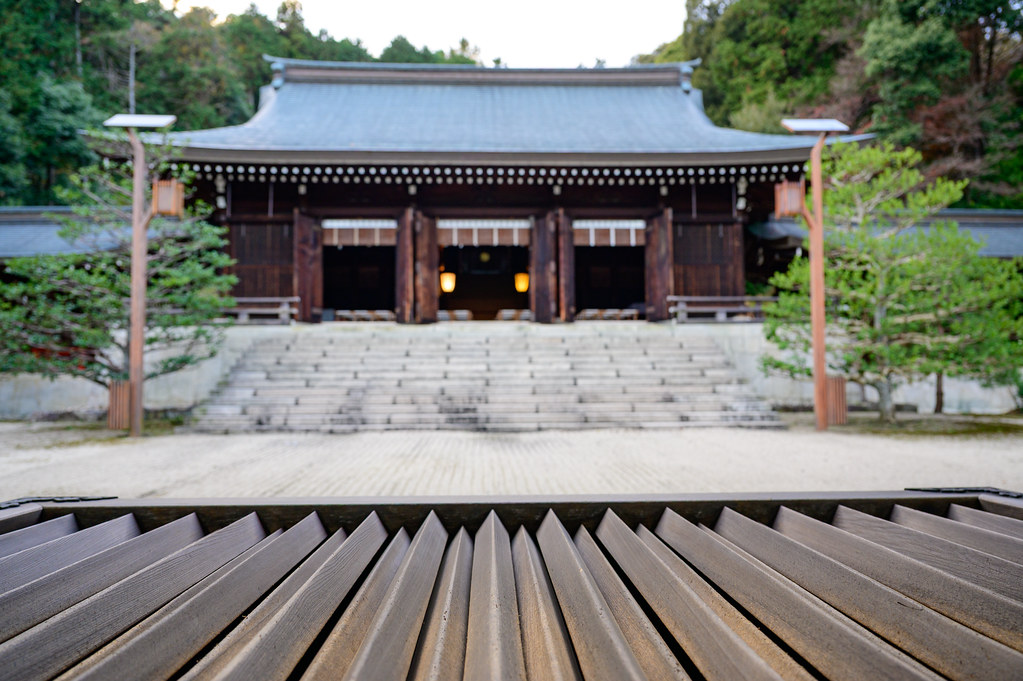
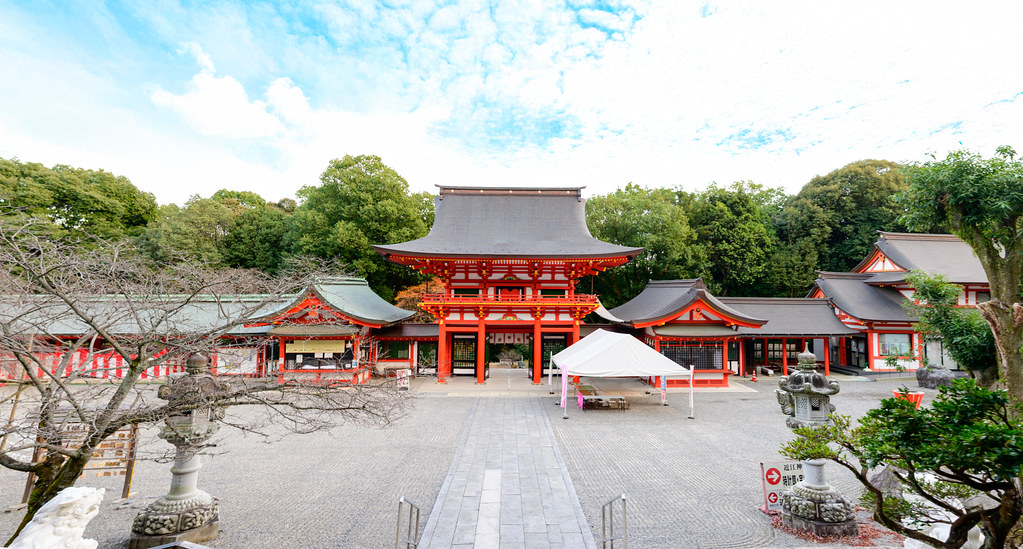
While most cyclists tackle the loop counterclockwise, we were heading clockwise toward Otsu and Kyoto. The downside? We missed the iconic torii gate floating on the lake — a minor regret, but not enough to dampen our spirits. We had other highlights planned. One of them was a stop at Omi Jingu, a shrine near Otsu that holds a special place in the world of karuta (a traditional Japanese poetry card game). It's the venue for the annual competitive karuta championships, which inspired the Chihayafuru manga and anime — a holy place of pilgrimage for fans.


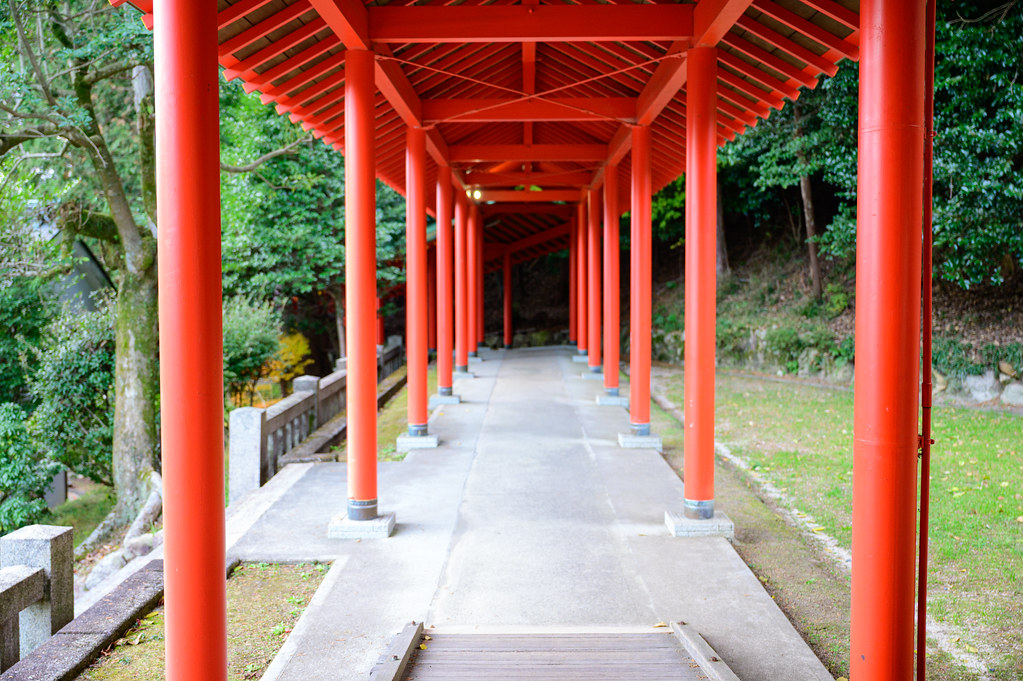

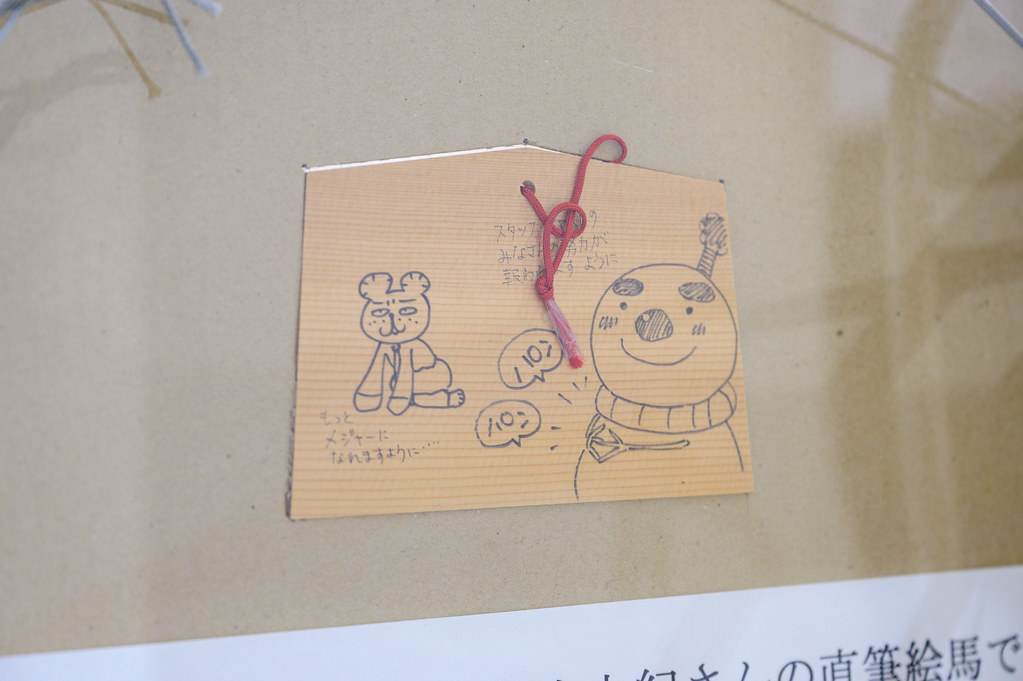
Next to the shrine is the Omi Kangakukan (近江勧学館), a cultural and educational facility dedicated to promoting the karuta heritage. There, we stumbled upon a delightfully nerdy bonus: a small exhibition space adorned with life-sized cardboard cutouts of Chihayafuru characters, tatami mats laid out for demo matches, and exclusive merchandise I had been looking forward to. These displays related to the centuries-old cultural tradition instantly transported me into the world of poetic duel.
This evening, we had a hotel reservation in Kyoto’s Sanjo-dori, but to get there from Otsu meant crossing a modest mountain. Google Maps, ever ambitious, guided us onto an old trail. What began as a quiet climb turned into an off-road descent, complete with loose stones, dirt, and steep inclines that were downright unreasonable for loaded touring bikes.
It was the kind of trail that made you question your life choices mid-way through. But having already climbed halfway, turning back wasn’t really an option. So we grit our teeth, clenched the brakes, braced ourselves, and bombed down the slope — part terrified, part exhilarated, all the while telling ourselves that if we crashed, at least we had travel insurance.
Miraculously, we made it to the main road unscathed.



Back on asphalt, hearts still racing, we were welcomed into Kyoto’s quiet, misty evening. It felt like we had time-traveled — stepping off an ancient stone-paved overgrown path and tumbling straight back into the modern world aglow with retro-style street lamps and Christmas lights. We pedaled slowly along the road, and I knew we were approaching the city centre when familiar Kansai accents began floating through the air.
The city was cloaked in its signature elegance — glowing antique lanterns flickering along the streets, people wrapped in winter coats or traditional kimono strolling around, and rows of wooden machiya townhouses stretching into the dusk. Compared to Tokyo’s kinetic pulse, Kyoto felt timeless. Deliberate. Composed.
Rolling into town by bike offered a perspective few tourists ever experience. We passed the edges of neighbourhoods not built for postcards — corner stores closing for the day, hand-painted shop signs, narrow lanes that never make the guidebooks.
As night fell, I realised: We hadn’t just arrived in Kyoto. We had earned our way in — one pedal stroke, one poem, one miscalculated mountain trail at a time — tired, a little muddy, but deeply, undeniably alive.
And that made all the difference.
The full take — 40 more photographs from this day






Leave a Reply